Enhancing Medical Services with Portable Diagnostic Imaging and Mobile Radiology
In today's fast-paced medical environment, the demand for portable diagnostic imaging and mobile radiology services is more crucial than ever, particularly for clinics and rehabilitation centers. As an entrepreneur with a vested interest in the medical field, I've observed and integrated these technologies into our operations, witnessing firsthand their transformational impact on healthcare efficiency and patient care.
Understanding Portable Diagnostic Imaging
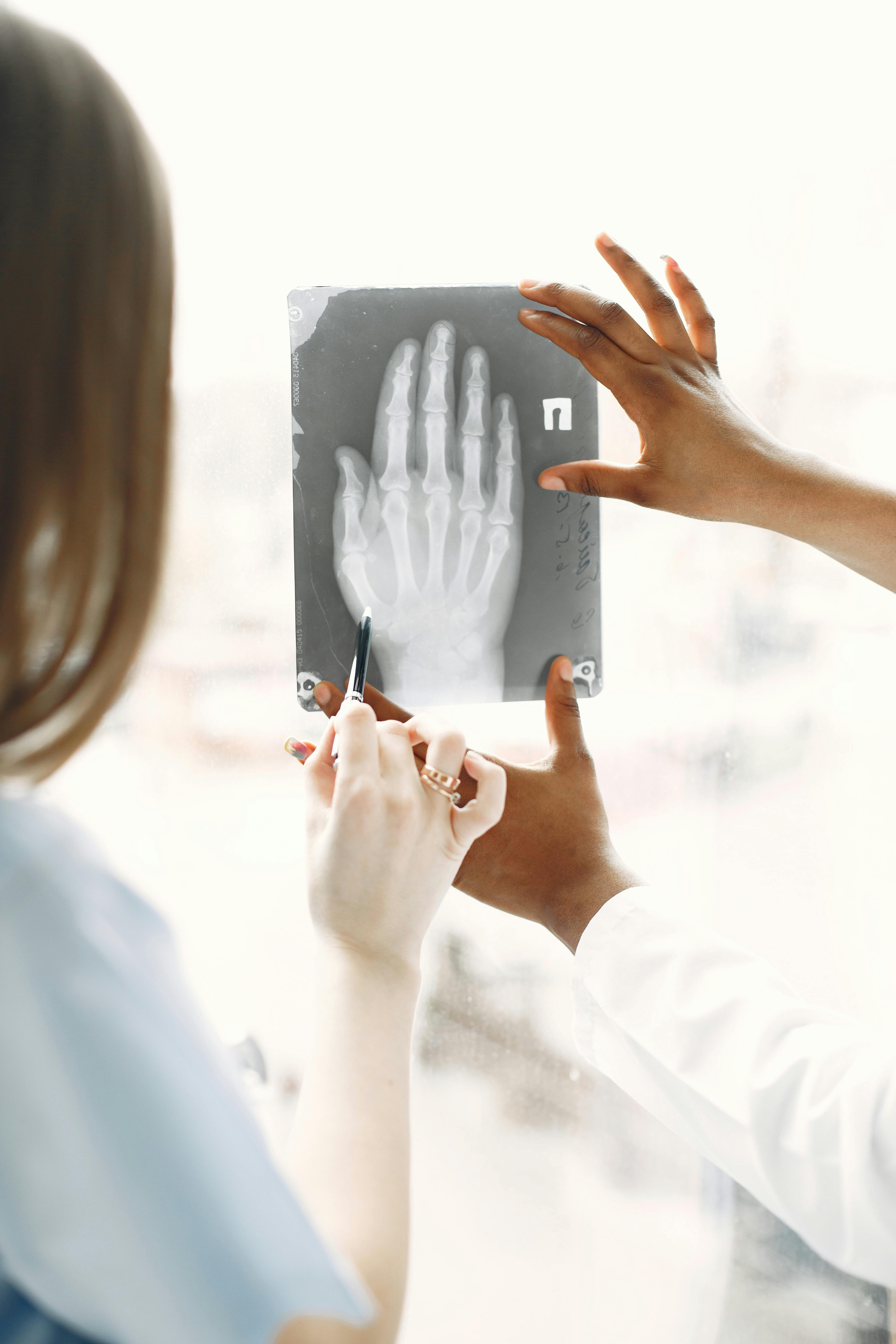
Portable diagnostic imaging refers to the use of mobile equipment to perform medical scans that traditionally required fixed, heavy machinery. This technology allows for X-rays, ultrasounds, and other imaging tasks to be conducted at the patient's bedside, in remote locations, or in various departments within a medical facility without the need for patient relocation.
The flexibility of portable systems not only improves patient comfort but also significantly cuts down on the time required to diagnose and initiate treatment. This is especially crucial in emergency scenarios or for immobile patients where every second counts.
Key Advantages of Portable Imaging
- Increased accessibility for bedridden or immobile patients
- Quicker diagnosis and treatment initiation
- Reduced need for patient transport within medical facilities
- Enhanced patient comfort and safety
- Cost-effectiveness by reducing the number of repeat scans
The implementation of portable imaging devices within our operations has marked a significant upgrade in how we manage patient care, making medical processes less stressful for both patients and healthcare providers.
Mobile Radiology for Clinics
Mobile radiology encompasses a broader spectrum, not limited to the confines of a hospital. It serves an essential function in clinics, particularly those located in rural or underserved areas. By integrating mobile radiology services, these clinics can offer comprehensive diagnostic capabilities that were previously unavailable.
For smaller clinics, the investment in mobile radiology units can be offset by the broadened range of services they can offer, potentially increasing patient throughput and satisfaction.
Benefits of Mobile Radiology in Clinics
- Broadened diagnostic capabilities
- Service expansion to remote areas
- Improved patient retention by offering comprehensive onsite services
- Decreased referrals to distant medical centers
- Enhanced reputation and competitive edge
In my experience, bringing mobile radiology units into clinic settings not only fills a critical gap in healthcare provision but also boosts the operational efficiency and scope of medical services offered.
Medical Scan Reporting and Its Importance
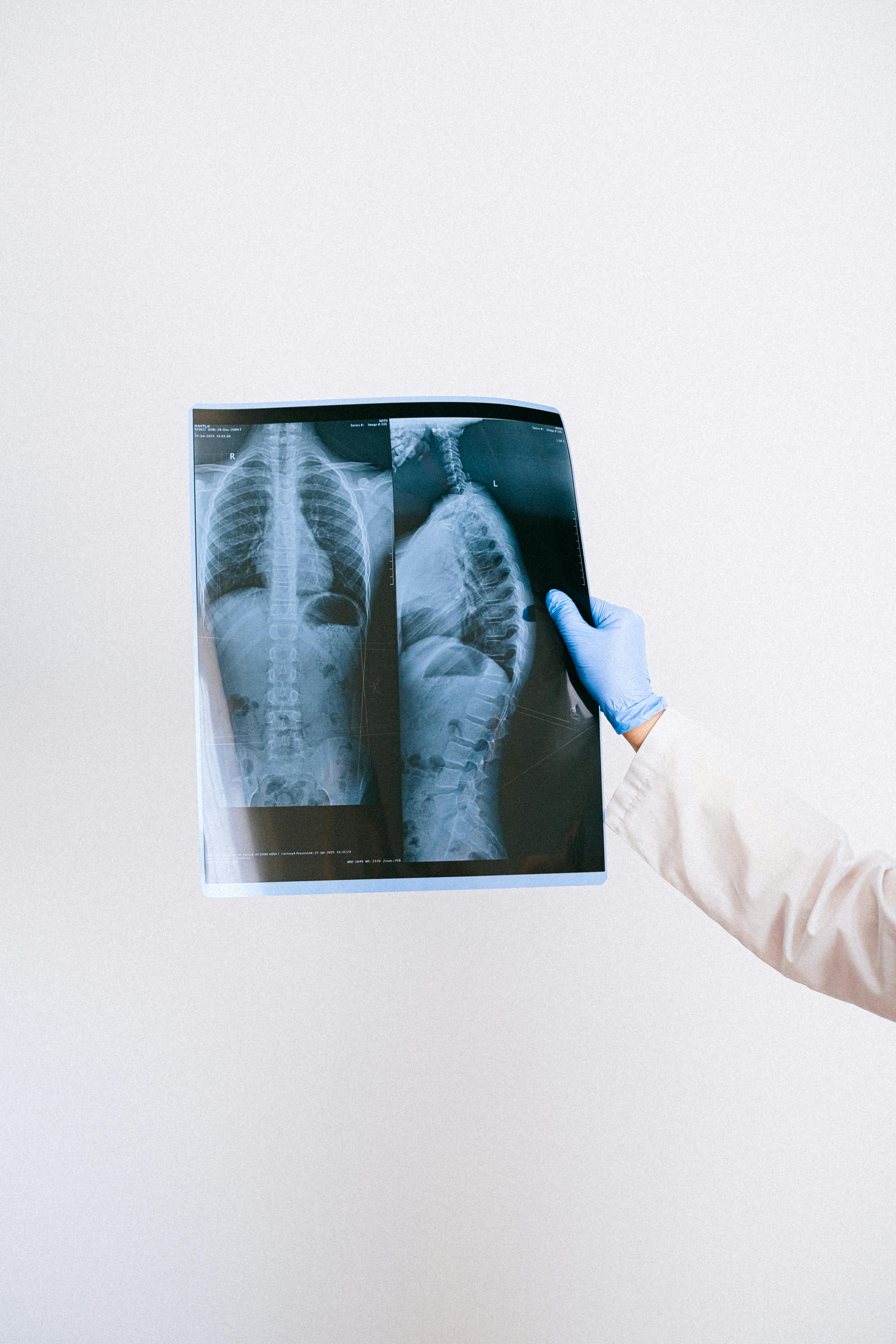
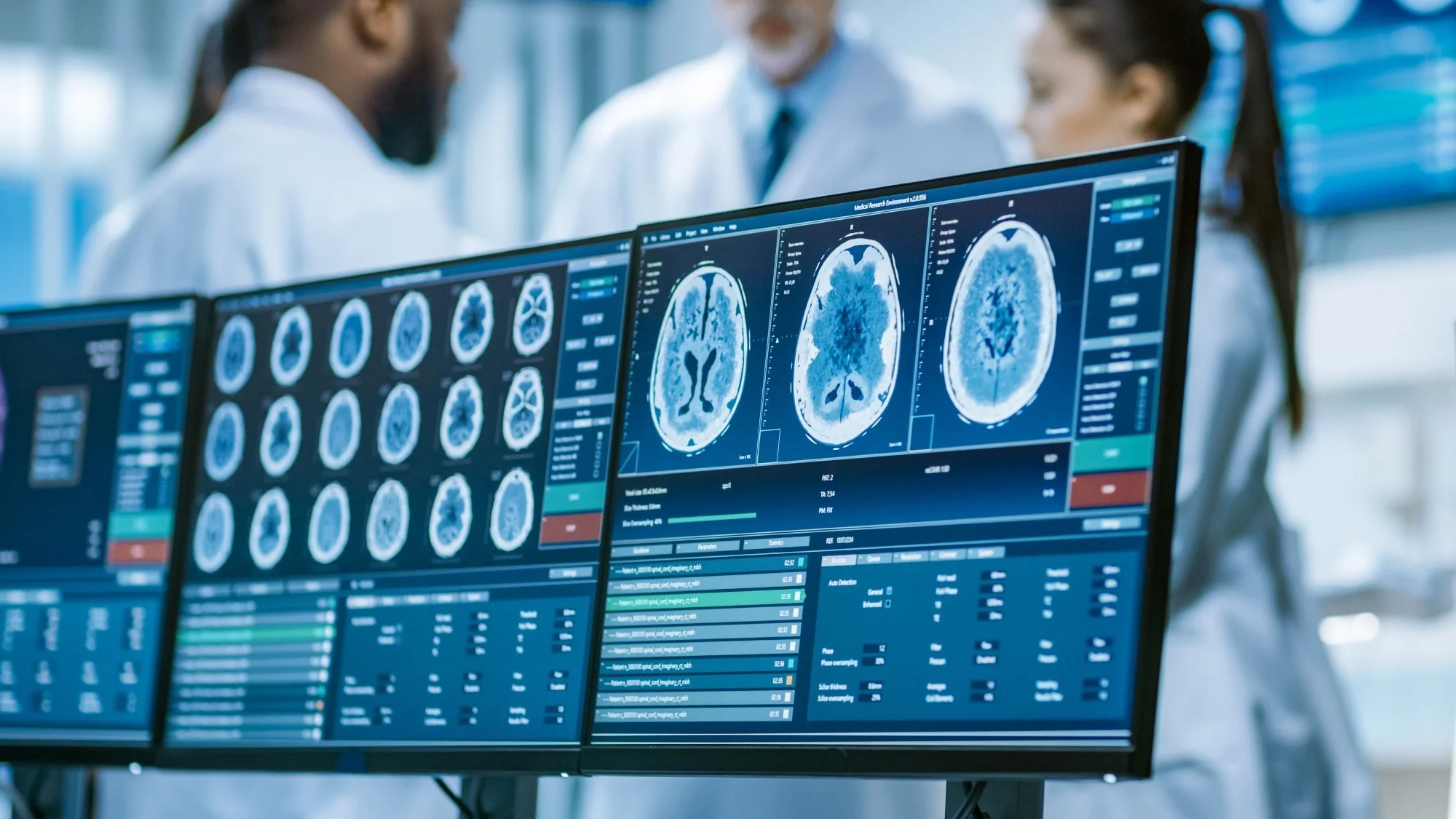
Accurate and timely medical scan reporting is pivotal in the chain of diagnosis and treatment. Advanced portable and mobile imaging technologies are equipped with connectivity solutions that enable instant, often real-time, transfer of medical images to specialists for immediate analysis and reporting.
This integration significantly reduces the turnaround times for diagnostic reports, improving the overall effectiveness of medical treatments and patient outcomes.
Improving Reporting Processes
- Utilization of AI for preliminary image analysis
- Cloud-based platforms for secure image transfer and storage
- Real-time collaboration tools for consultations with specialists
- Automated reporting tools to reduce human error
- Training for healthcare providers on latest imaging and reporting technologies
Optimizing the scan reporting process has been a game changer in our medical practices, enhancing the speed and accuracy of the services we provide.
Adopting Imaging Solutions in Rehabilitation Centers
Rehabilitation centers deal with a wide array of patient needs that require frequent and diverse imaging solutions. The adoption of portable diagnostic imaging and mobile radiology units can significantly enhance the effectiveness of treatment programs by providing continual, onsite imaging to monitor progress without the inconvenience of external appointments.
Moreover, the immediacy offered by these technologies facilitates a dynamic approach to treatment, allowing adjustments in real-time based on the latest imaging feedback.
Benefits for Rehabilitation Imaging
- Enhanced monitoring of treatment efficacy
- Immediate adjustment of treatment plans based on imaging
- Reduced patient stress by eliminating transport needs
- Increased frequency of imaging can lead to better outcomes
- Integration with patient management systems for comprehensive care tracking
Implementing these technologies in rehabilitation settings has not only streamlined patient management but also improved the quality of care delivered.
The Future of Medical Imaging
The future of medical imaging lies in the continual advancement of portable and mobile technologies. As these technologies evolve, they promise even greater integration into various healthcare settings, driving efficiency and patient-centered care.
Medical imaging convenience will continue to shape the landscape of healthcare, making diagnostics quicker and more accessible, significantly impacting patient outcomes across the globe.
The integration of mobile and portable imaging technologies into everyday medical practices is not just a convenience; it's a transformation towards more effective, patient-centered healthcare. How do you see portable and mobile imaging technologies impacting your local healthcare system?Frequently Asked Questions
Browse answers to common questions about our services.