How Mobile Imaging Improves Care for Patients with Limited Mobility
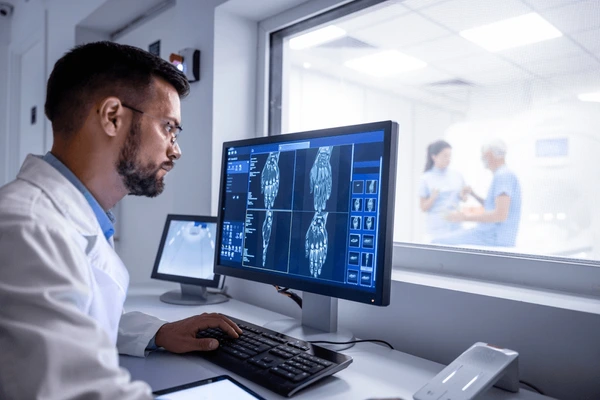
Patients who cannot move easily face significant barriers when they need diagnostic imaging. Transportation, time off work, and the physical strain of traveling to a hospital can delay diagnosis or force them into suboptimal care settings. In this article I explain why regional mobile imaging is becoming essential, outline how to implement it, and show how it fits into a broader strategy of radiology care coordination and physician‑office imaging.
1. The Need for Imaging in Limited Mobility Patients
The term “limited mobility” covers anyone who cannot walk or move freely without assistance—whether due to orthopedic injury, neuromuscular disease, spinal cord injury, or post‑operative recovery. These patients often experience:
Key Challenges Faced by Patients with Limited Mobility
- Transportation logistics and costs.
- Risk of falls during transport.
- Extended waiting times for imaging appointments.
- Limited access to high‑quality imaging equipment.
- Increased anxiety about medical environments.
- Higher likelihood of delayed treatment decisions.
Addressing these challenges directly improves clinical outcomes, patient satisfaction, and reduces downstream costs. The first step is recognizing that a one‑size‑fits‑all approach to imaging is no longer viable in 2026.
2. Traditional Diagnostic Imaging Pathways and Their Limitations
Standard practice has long relied on patients traveling to fixed radiology departments. While these centers offer sophisticated technology, they also impose:
- Transportation barriers: Many patients rely on family or community transport; delays can push imaging beyond the optimal diagnostic window.
- Scheduling bottlenecks: Fixed sites have limited hours and high patient volumes, leading to wait times that can stretch into days.
- Higher indirect costs: Lost wages, childcare, and travel expenses burden patients and families.
- Risk of exposure: In a busy hospital setting, patients may encounter infections or environmental stressors that negatively affect recovery.
When you add the cost of ambulance services for high‑risk patients, the financial impact becomes clear. The traditional model is not scalable to the growing population with chronic mobility limitations projected to increase by 18% over the next decade.
3. Regional Mobile Imaging Solutions
Mobile imaging units bring advanced diagnostic technology directly to the patient’s community or home. These units can range from portable X‑ray rigs to full CT and MRI vans equipped with state‑of‑the‑art hardware, power supplies, and network connectivity.
Core Components of a Mobile Imaging Unit
- Imaging modality: Portable X‑ray, ultrasound, low‑dose CT, or dedicated MRI vans.
- Power & backup: Generators or battery packs to ensure uninterrupted operation.
- Support staff: Radiology technologists trained in mobile workflows.
- Patient interface: Adjustable beds or chairs to accommodate wheelchairs and other mobility aids.
The combination of these elements allows high‑quality imaging outside the traditional hospital environment, reducing patient exposure to stressful settings while maintaining diagnostic standards.
4. Implementing a Mobile Imaging Program
Launching a mobile imaging service requires careful planning across several domains:
Step 1 – Conduct a Community Needs Assessment
Identify regions with high concentrations of limited‑mobility patients and analyze existing referral patterns.
Step 2 – Select Appropriate Technology
Match the imaging modality to the most common indications in your target population. For example, portable X‑rays are ideal for fracture assessment; low‑dose CT can serve urgent trauma cases.
Step 3 – Build Staffing and Workflow Protocols
Recruit technologists experienced with mobile equipment and develop standardized checklists to streamline patient setup and scan acquisition.
Step 4 – Integrate with Electronic Health Records (EHR)
Ensure seamless data upload, so images appear in the patient’s chart immediately after acquisition. This integration is critical for timely interpretation by radiologists.
Best Practices for Mobile Imaging Implementation
- Establish a regional hub to coordinate routes and schedules.
- Create a 24/7 hotline for urgent imaging requests.
- Implement rigorous quality assurance protocols, mirroring fixed‑site standards.
- Develop patient education materials that explain the mobile process.
- Track key performance indicators (KPIs) such as turnaround time and image quality metrics.
When these steps are executed systematically, the mobile unit can become a reliable extension of the healthcare system rather than an ad‑hoc solution.
5. Radiology Care Coordination in the Mobile Model
Care coordination is essential to bridge the gap between imaging acquisition and clinical decision making. A dedicated care coordinator manages logistics, communication, and follow‑up:
- Pre‑scan preparation: Verify patient consent, insurance coverage, and transportation needs.
- Real‑time communication: Relay any technical issues to the radiology department during the scan.
- Post‑scan follow‑up: Ensure that the interpreting radiologist’s report is reviewed by the referring provider promptly.
- Patient support: Provide instructions on post‑imaging care or next steps in treatment plans.
Key Coordination Tasks for Mobile Imaging Success
- Maintain a central scheduling system that syncs with hospital appointments.
- Use secure messaging platforms to keep all stakeholders updated.
- Document every interaction in the EHR to preserve continuity of care.
- Schedule periodic audits to assess coordination efficiency and patient satisfaction.
A strong care coordination framework reduces fragmentation and ensures that imaging results translate into actionable clinical interventions quickly.
6. Physician Office Imaging as an Extension
In many communities, small physician offices are adopting point‑of‑care imaging to serve patients who cannot travel to a radiology center. These setups typically involve:
- Portable X‑ray units: Compact and easy to install in clinic rooms.
- Onsite technologist or trained nurse: Handles image acquisition under supervision of a remote radiologist.
- Tele‑radiology links: Immediate review by board‑certified radiologists via secure video or image transfer.
This model offers the advantage of delivering imaging results within the same visit, shortening decision cycles and improving patient adherence to treatment plans. For limited‑mobility patients, it eliminates an entire trip to a distant facility.
7. Cost Considerations and ROI
The financial case for mobile imaging hinges on balancing capital expenditure against savings from avoided transport, reduced readmissions, and improved clinical outcomes. Key cost drivers include:
- Capital purchase or lease of the vehicle and equipment.
- Operational expenses: fuel, maintenance, insurance.
- Staff salaries and training.
- Data connectivity and cybersecurity measures.
- Quality assurance and regulatory compliance costs.
Reimbursement models are evolving. Many payers now cover mobile imaging under value‑based care contracts, especially when the service demonstrably reduces hospital admissions or emergency visits. Tracking metrics such as cost per scan, average turnaround time, and readmission rates allows you to quantify ROI over a 3‑to‑5 year horizon.
8. Common Pitfalls and How to Avoid Them
Launching a mobile imaging service can be fraught with challenges if not carefully managed:
- Regulatory non‑compliance: Failing to meet state licensing or HIPAA standards can lead to fines.
- Quality control lapses: Inconsistent image quality erodes provider trust.
- Staffing shortages: High turnover reduces workflow efficiency.
- Data security breaches: Unsecured transmission opens the door to cyber attacks.
- Insufficient patient education: Patients may not understand how to prepare for or follow up after imaging.
Strategies to Mitigate These Risks
- Engage legal counsel early to navigate licensing requirements.
- Implement a robust QA program mirroring fixed‑site protocols.
- Offer competitive compensation and ongoing training for technologists.
- Use end‑to‑end encryption for all data transmissions.
- Create clear, multilingual patient instructions and support hotlines.
By proactively addressing these pitfalls you protect both the integrity of your imaging program and the safety of patients.
9. Future Trends in Mobile Imaging for Mobility‑Impaired Patients
The landscape is evolving rapidly. Key emerging trends include:
- AI‑driven triage: Algorithms can prioritize cases based on urgency, reducing wait times further.
- Hybrid mobile units: Combining multiple imaging modalities into a single vehicle for comprehensive evaluation.
- Tele‑radiology platforms with real‑time AI support: Radiologists receive instant suggestions on image interpretation, speeding up reporting.
- Patient‑centric scheduling apps: Patients can book mobile visits directly, improving engagement.
Adopting these innovations early positions your organization as a leader in accessible imaging and aligns with the growing demand for patient‑centered care models.
The most critical takeaway is that regional mobile imaging is not just a convenience; it is an essential component of modern healthcare delivery for patients with limited mobility, improving outcomes while offering cost efficiencies. What challenges have you faced in integrating mobile imaging into your practice, and how did you address them?Frequently Asked Questions
Browse answers to common questions about our services.