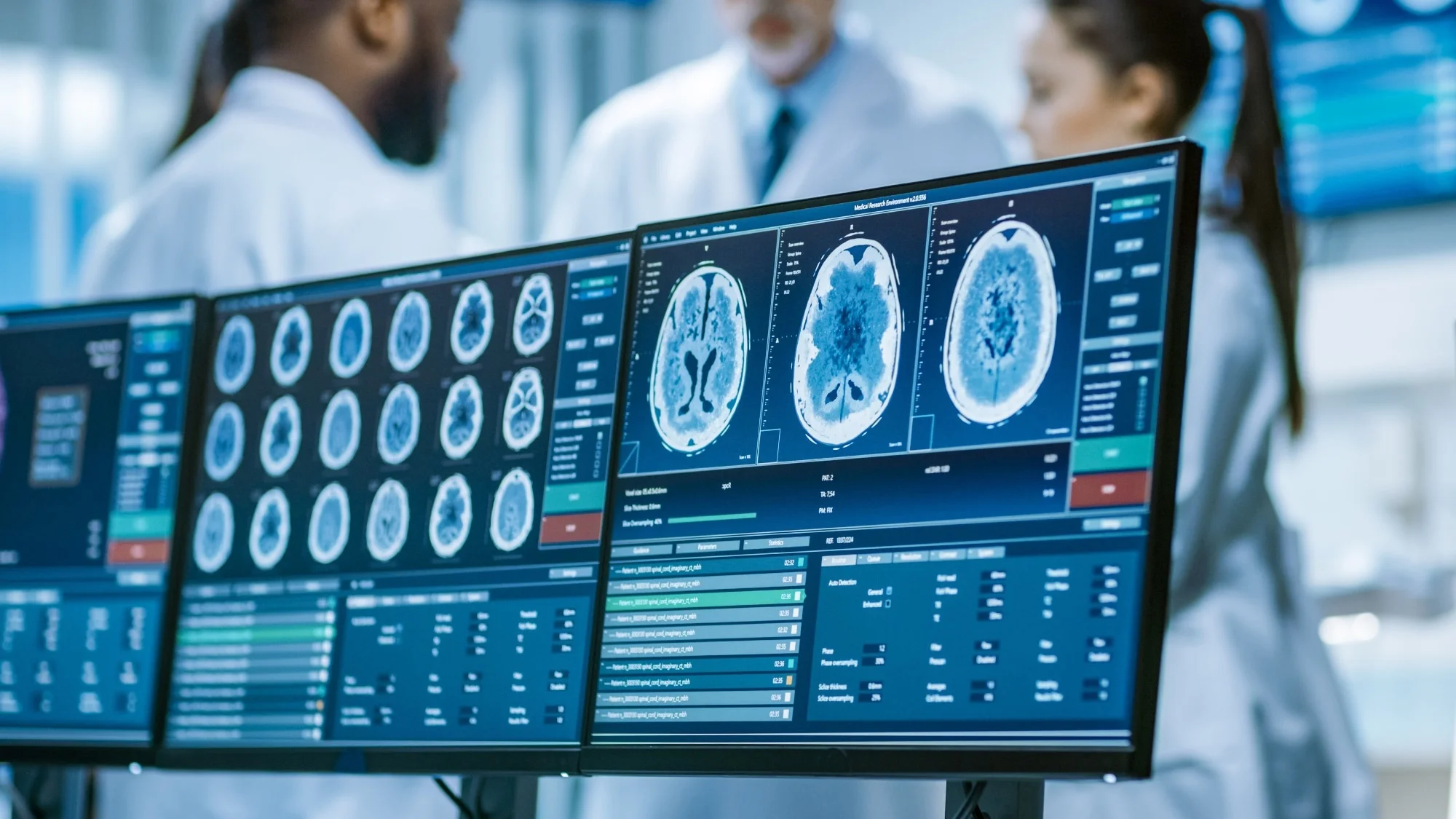
What Are the Benefits of Local Mobile Radiology for Ultrasound Diagnostic Services?
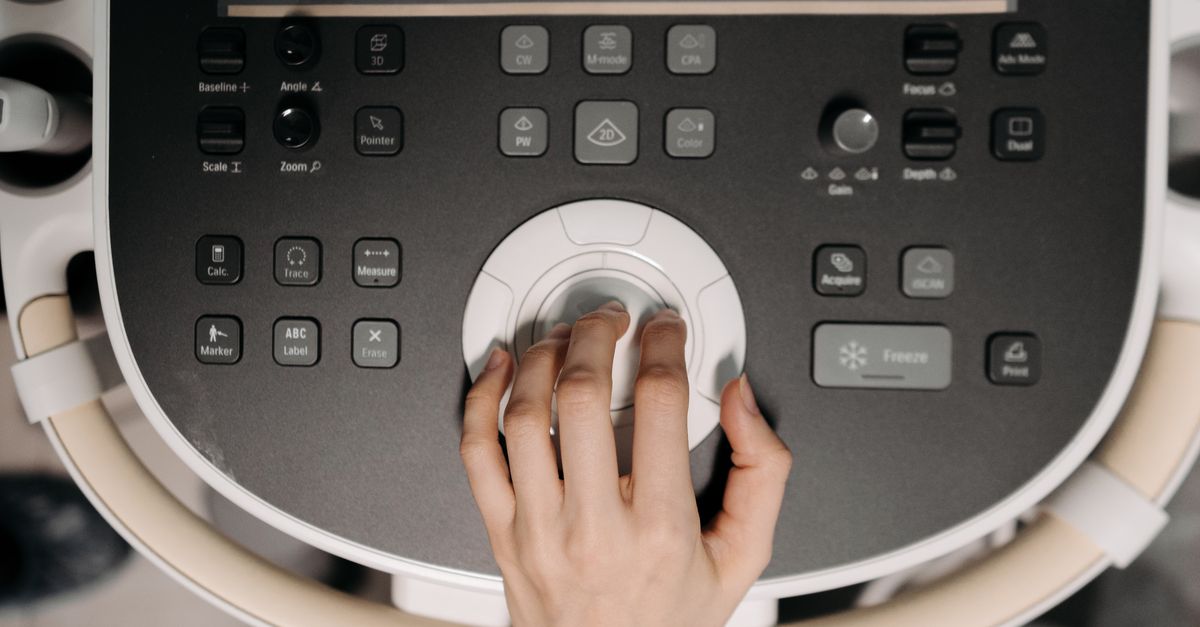
Healthcare imaging is evolving rapidly, and 2026 has brought advanced mobile imaging solutions to the forefront. When a facility can deploy portable ultrasound units directly to patient sites—whether in rural clinics, nursing homes, or even emergency vehicles—the impact on diagnostic speed, cost efficiency, and patient experience becomes measurable. This article examines how local mobile radiology for ultrasound diagnostics transforms healthcare delivery, outlines practical implementation steps, and highlights real‑world benefits that align with the goals of modern providers.
Advanced Mobile Imaging: A Brief Overview
Traditional imaging centers rely on fixed equipment that requires patient transport to a facility. In contrast, advanced mobile imaging leverages high‑resolution ultrasound probes combined with ruggedized carts and secure data links. These systems maintain image fidelity comparable to stationary machines while offering the flexibility of point‑of‑care deployment. The result is a service model that reduces wait times, lowers transportation costs, and improves workflow integration for clinicians who need quick diagnostic answers.
A typical mobile ultrasound suite includes a lightweight, FDA‑cleared probe, a tablet or laptop with specialized imaging software, a battery‑powered cart equipped with a lockable storage compartment, and an encrypted Wi‑Fi or cellular modem that can operate in remote areas. The entire package weighs less than 200 pounds, allowing it to fit comfortably into most passenger vehicles. In addition, the system is designed for quick disassembly so that technicians can reset up within 15 minutes when they arrive at a new site.
The Role of Ultrasound Diagnostic Services in Modern Care
Ultrasound remains one of the most versatile imaging modalities: it’s non‑invasive, radiation‑free, and capable of real‑time visualization. In 2026, ultrasound diagnostics are essential for obstetric monitoring, vascular assessment, musculoskeletal evaluation, and emergency triage. The ability to perform these studies on‑site eliminates delays caused by scheduling or travel constraints.
For example, in a labor ward, a portable ultrasound can quickly confirm fetal presentation and amniotic fluid volume, allowing the obstetric team to make an informed decision about induction or cesarean delivery without waiting for a tertiary center. In vascular surgery, bedside Doppler studies can identify arterial blockages or monitor graft patency immediately after an intervention. A sports medicine clinician can assess tendon integrity on the clinic floor, reducing the need for patients to travel to imaging suites and speeding up return‑to‑sport plans.
Moreover, the integration of AI algorithms into mobile units allows automated measurement and preliminary interpretation, speeding up decision‑making. For instance, an AI‑driven tool can automatically calculate left ventricular ejection fraction from a short‑axis view or flag suspicious lesions in abdominal scans, giving clinicians actionable data within seconds.
How Local Mobile Radiology Works in Practice
A local mobile radiology service operates through a fleet of equipped vehicles—often vans or SUVs—modified to house imaging hardware, a secure network connection, and a dedicated technician. When a patient requires an ultrasound, the provider schedules a visit; the unit arrives within hours, performs the study, and uploads images directly to the electronic health record (EHR). Radiologists review the data remotely, providing reports in minutes rather than days. This workflow is especially valuable for facilities lacking on‑site imaging departments.
Below are the key steps that define this process:
- Scheduling and Coordination: The referring clinician enters a request into an online portal linked to the mobile fleet’s dispatch system. The system matches availability, travel distance, and required equipment.
- Preparation and Quality Check: Before departure, the technician verifies probe calibration, battery levels, data encryption settings, and backup power sources.
- On‑Site Setup: Upon arrival, the technician sets up the cart, connects to the patient’s Wi‑Fi or uses a secure cellular bridge, and performs a quick system check.
- Patient Consent and Privacy: A brief consent form is presented, explaining that images will be transmitted securely to the hospital’s server. The technician ensures that all privacy protocols are followed.
- Imaging Study: Using the portable probe, the technician captures the required views or Doppler data while following standard scanning protocols.
- Immediate Data Upload: Images are encrypted and transmitted to a secure cloud server that syncs with the EHR. The upload is often completed in under five minutes, even on 4G networks.
- Remote Radiology Review: A board‑certified radiologist accesses the images via a web portal, reviews them within ten minutes, and generates an official report that appears instantly in the patient’s chart.
- Follow‑Up Coordination: The clinician receives the report and can schedule any necessary interventions or additional imaging without waiting for a scheduled appointment.
This streamlined workflow eliminates many of the bottlenecks that plague traditional imaging pathways. It also creates a feedback loop where technicians receive real‑time quality metrics, allowing them to adjust technique on the fly.
Key Benefits of Mobile Ultrasound Diagnostic Services
1. Timely Radiology Results
Because studies are conducted immediately, clinicians receive results almost instantly. In emergency settings, this can be the difference between early intervention and delayed treatment. The rapid turnaround reduces readmission rates and improves overall patient outcomes.
2. Cost Savings for Patients and Providers
Eliminating transportation costs—fuel, parking, and vehicle wear—lowers the financial burden on both patients and health systems. For providers, mobile units reduce capital expenditures compared to building a full‑scale imaging department. A small practice can serve multiple sites with a single unit, spreading equipment depreciation over many patient encounters.
3. Improved Patient Experience
Patients stay within familiar surroundings; there is no need for hospital visits or ambulance rides. This comfort level encourages adherence to follow‑up appointments and fosters trust in the care team. For elderly residents of long‑term care facilities, a bedside scan removes anxiety associated with mobility restrictions.
4. Expanded Reach into Underserved Areas
Rural clinics, long‑term care facilities, and remote communities gain access to high‑quality imaging without building new infrastructure. Mobile services bridge geographic gaps that historically limited diagnostic capabilities. A single unit can cover a 150‑mile radius, providing consistent service across multiple counties.
5. Flexibility for Surge Capacity
During peak demand—such as flu season or public health emergencies—a mobile fleet can be dispatched to hotspots, relieving strain on stationary departments and maintaining service continuity. A single vehicle equipped with an ultrasound probe can support dozens of patients during a mass casualty event.
6. Data‑Driven Quality Control
All images are stored in a centralized system that allows continuous monitoring of image quality, technician performance, and workflow efficiency. This data feeds into improvement cycles and training programs. For instance, if Doppler velocity curves fall below the recommended threshold, the system flags the study for review.
The core advantage of local mobile radiology is its ability to deliver timely ultrasound diagnostics without sacrificing image quality or patient safety.Cost and Implementation Considerations
Deploying a mobile imaging fleet requires upfront investment in vehicles, equipment, and IT infrastructure. However, the payback period can be short—often within 12–18 months—due to savings on facility maintenance and reduced readmission costs. Key cost factors include:
- Purchase or lease of modified vehicles
- High‑resolution ultrasound units and accessories
- Secure data connectivity (4G/5G, satellite)
- Staff training for technicians and radiologists
- Maintenance contracts and software licensing
Common Challenges and Mitigation Strategies
While mobile imaging offers many benefits, providers often face hurdles such as regulatory compliance, data security, and workforce management. Below are practical solutions that have worked in my experience:
- Regulatory Compliance: Ensure all equipment meets local radiology standards and obtain necessary certifications before deployment. Keep up-to-date with CMS guidelines for mobile services, including CPT codes like 76800 (Ultrasound, abdominal) or 76805 (Doppler studies).
- Data Security: Use end‑to‑end encryption for image transmission and maintain audit trails to satisfy HIPAA requirements. Deploy a VPN endpoint in the vehicle that automatically connects upon power-up.
- Staffing: Cross‑train technicians in both imaging technique and basic patient communication to improve service quality. Implement a rotating shift schedule so that at least one technician is always on standby for urgent requests.
- Maintenance: Schedule regular vehicle inspections and equipment calibration to prevent downtime during critical missions. Store spare parts in the cart, such as probe covers and backup batteries.
Future Trends in Mobile Imaging for 2026 and Beyond
The trajectory of mobile imaging is set toward greater integration with artificial intelligence, cloud analytics, and patient‑centric platforms. Anticipated developments include:
- AI‑driven image interpretation that flags abnormalities within seconds.
- Edge computing on the vehicle to process data locally, reducing bandwidth needs.
- Integration with wearable health monitors for continuous assessment.
- Expansion into other modalities such as portable CT or MRI in highly specialized cases.
Local mobile radiology reshapes how ultrasound diagnostic services are delivered. By prioritizing timely results, cost efficiency, and patient comfort, healthcare organizations can meet growing demand while maintaining high standards of care.
Implementation Blueprint: A Step‑by‑Step Guide for New Providers
If your organization is considering a mobile ultrasound program, the following blueprint offers a practical roadmap from concept to launch:
- Needs Assessment: Identify patient populations that would benefit most—e.g., rural obstetric units, geriatric care homes, or emergency departments with high throughput.
- Stakeholder Engagement: Convene clinicians, IT staff, finance leaders, and legal counsel to outline objectives, budget constraints, and compliance requirements.
- Vendor Selection: Evaluate imaging vendors based on probe quality, software integration capabilities, and support for mobile deployment. Request demonstrations in a controlled setting.
- Vehicle Modification Plan: Work with a certified automotive technician to design the interior layout, power supply, and data connectivity solutions while ensuring compliance with transportation regulations.
- Pilot Testing: Deploy a single unit to a limited number of sites. Collect metrics such as scan time, image quality scores, patient satisfaction surveys, and turnaround times for reports.
- Iterative Improvement: Use data from the pilot to refine workflows—adjust staffing ratios, tweak software settings, or modify vehicle ergonomics.
- Full Roll‑Out: Scale the fleet based on demand projections. Implement a central dispatch hub that tracks real‑time location, status, and resource allocation.
- Continuous Quality Assurance: Establish quarterly audits of image quality, technician adherence to protocols, and cybersecurity logs. Provide targeted training where gaps are identified.
Adopting this structured approach reduces the risk of costly missteps and accelerates return on investment.
How has your organization addressed data security challenges when implementing mobile imaging solutions?Frequently Asked Questions
Browse answers to common questions about our services.