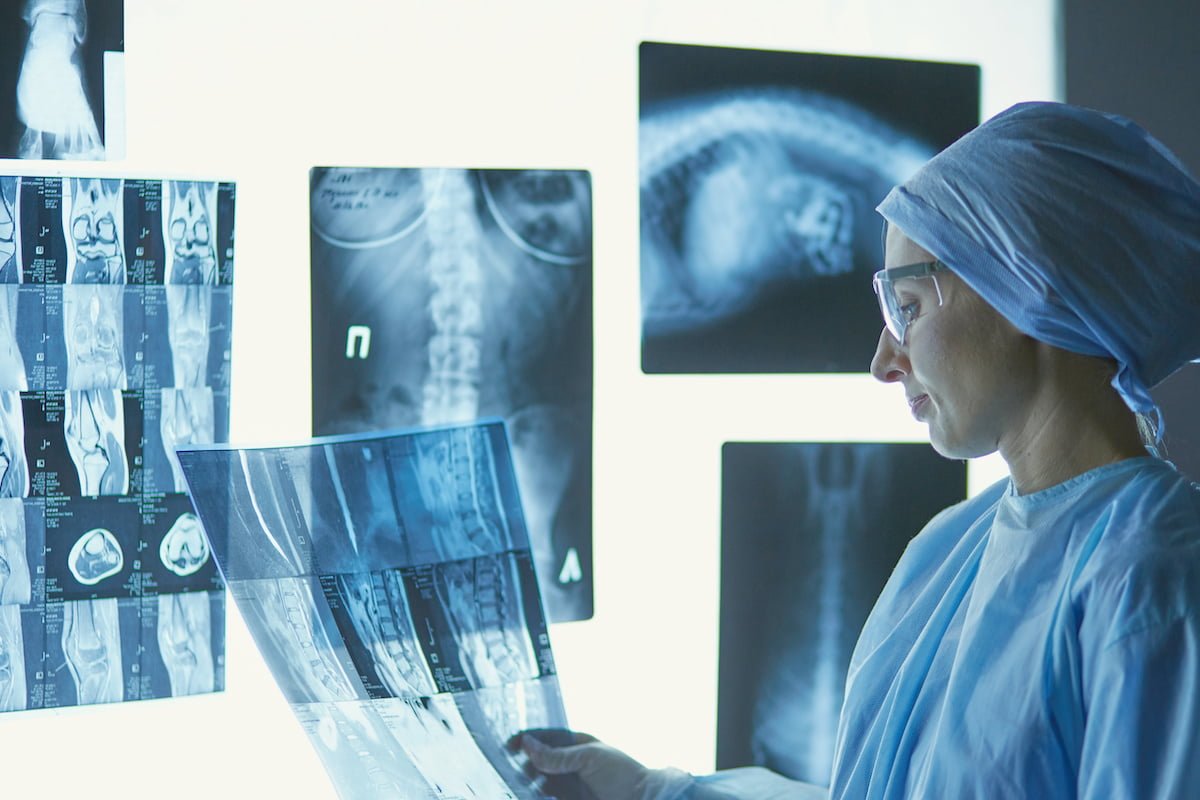
How Can Rehabilitation Centers Use Reliable Mobile Imaging for Non‑Emergency Radiologist Interpretation?
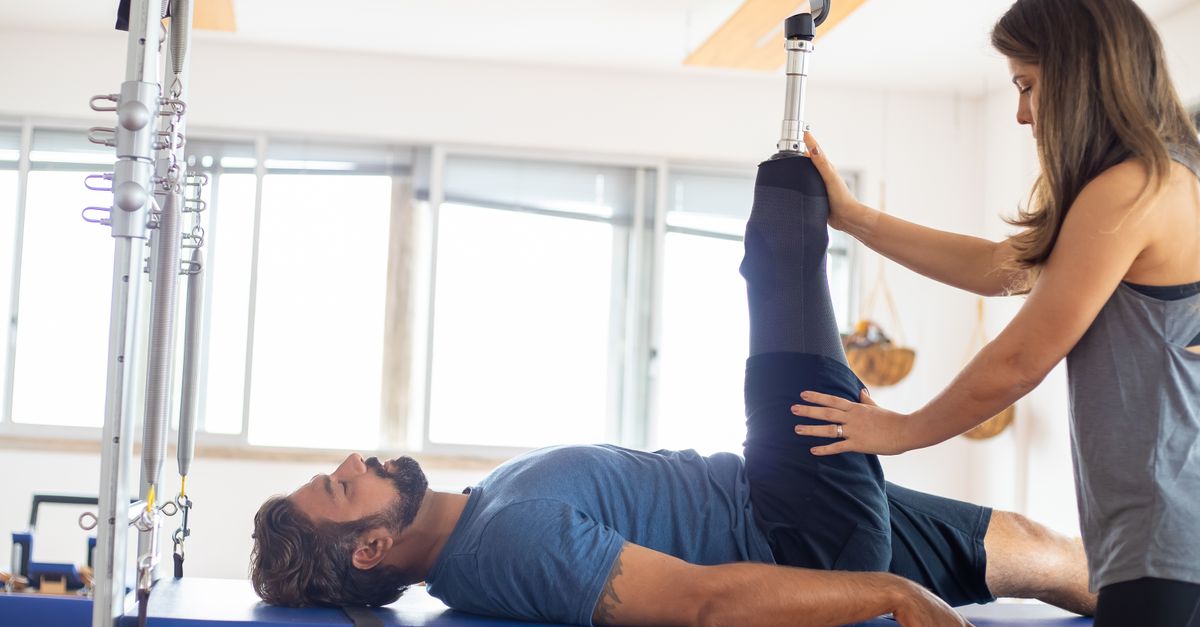
I’ve spent the last decade building systems that bring high‑quality imaging to patients who can’t leave their homes or facilities. In 2026, the need for reliable mobile imaging in rehabilitation centers has become critical, especially when rapid, accurate radiologist interpretation is required without the overhead of a full hospital setup.
1. The Core Problem: Why Rehabilitation Centers Need Mobile Imaging
Rehabilitation patients often have mobility issues, chronic pain, or complex medical histories that make transporting them to imaging facilities risky or impractical. Traditional non‑emergency medical imaging—such as X‑ray, CT, or MRI—requires bulky equipment and a controlled environment, which rehab centers typically lack.
This gap forces clinicians to either delay diagnostics or rely on suboptimal portable devices that compromise image quality. The result? Slower treatment plans, increased readmission rates, and higher costs.
Key Challenges for Rehab Imaging
- Limited space and power supply in patient rooms.
- Need for radiation safety compliance without a dedicated shielded room.
- Ensuring image fidelity comparable to stationary scanners.
- Integrating images into existing electronic health records (EHR).
- Maintaining cost‑effective workflow for non‑emergency cases.
The solution lies in adopting reliable mobile imaging platforms that meet regulatory standards while delivering clinical-grade results. For example, a center serving post‑operative orthopedic patients can schedule daily scans on a single portable unit rather than arranging transport to an external facility each time a fracture needs reassessment.
2. Evaluating Mobile Imaging Platforms: What to Look For
Not all portable devices are created equal. When selecting equipment for a rehabilitation center, I focus on three pillars: image quality, connectivity, and support services.
Image quality should meet the diagnostic thresholds set by radiology societies—resolution, contrast, and noise levels comparable to stationary scanners. Connectivity involves secure data transfer to the hospital’s PACS (Picture Archiving and Communication System) or cloud‑based storage for real‑time radiologist interpretation.
Support services include on‑site maintenance, software updates, and training for staff—essential when you’re operating in a high‑patient‑volume environment.
Top Features to Prioritize
- High‑resolution digital detectors with low radiation dose.
- Integrated wireless or Ethernet connectivity compliant with HIPAA.
- Built‑in calibration tools for quick QA checks.
- Modular design for easy transport and setup.
- Vendor‑provided 24/7 technical support.
In addition, consider devices that offer automatic dose monitoring and real‑time image feedback so clinicians can verify adequacy before leaving the patient’s room. By focusing on these criteria, rehab centers can avoid costly downtimes and ensure consistent diagnostic accuracy.
3. Workflow Integration: From Patient to Radiologist Interpretation
A streamlined workflow is essential for non‑emergency medical imaging in a rehab setting. The process generally follows three stages:
- Patient Preparation: Assess contraindications, ensure proper positioning, and confirm consent.
- Image Acquisition: Operate the mobile device following standard protocols; perform QA checks on‑the‑spot.
- Data Transfer & Interpretation: Upload images to the PACS or cloud for immediate radiologist review.
The goal is to reduce turnaround time from hours to minutes, enabling faster clinical decisions. To achieve this, I recommend integrating a dedicated mobile imaging workstation with the center’s existing EHR so that orders, results, and notes flow seamlessly.
Common Workflow Pitfalls & Fixes
- Delays in Image Upload: Use high‑bandwidth connections or local caching solutions.
- Inconsistent QA Checks: Automate calibration reminders through the device’s software.
- Radiologist Overload: Prioritize urgent cases using triage tags embedded in the imaging order.
- Data Security Gaps: Encrypt all transmissions and use VPNs for remote access.
Implementing these fixes reduces bottlenecks and improves overall patient care. Additionally, assigning a dedicated “mobile imaging coordinator” can streamline scheduling, ensuring that technicians are available when clinicians need scans and preventing idle time between patients.
4. Cost Analysis: Balancing Investment with Value
Adopting reliable mobile imaging is a capital expense, but the return on investment (ROI) can be substantial when measured against current inefficiencies.
I use a simple cost‑benefit model that compares:
- Equipment and installation costs: Device price, transport kits, power adapters, and initial training.
- Operational savings: Reduced patient transport times, lower readmission rates, and fewer repeat scans.
- Revenue opportunities: Ability to offer imaging services on a per‑case basis or as part of bundled rehabilitation packages.
In many cases, the ROI becomes evident within 12–18 months. For example, a rehab center that previously sent 30 patients weekly for outpatient X‑ray experienced a 40% decrease in transport logistics costs after installing a mobile unit.
ROI Calculation Sample
- Annual transport cost savings: $80,000
- Additional imaging revenue: $25,000
- Total annual benefit: $105,000
- Initial investment: $120,000
- Payback period: ~1.2 years
Don’t forget to factor in ongoing maintenance fees and software licensing when projecting long‑term savings. A well‑structured service contract can lock in predictable costs and prevent unexpected expenditures.
5. Vendor Selection and Support Services
The vendor relationship is critical for long‑term success. I evaluate vendors on four dimensions:
- Product reliability: Track record of uptime, firmware stability, and customer satisfaction.
- Technical support: 24/7 helpdesk, local service agreements, and rapid response times.
- Training programs: Comprehensive onboarding for clinicians and technicians.
- Compliance certifications: FDA clearance, CE marking, and adherence to ISO standards.
A strong partnership ensures that any technical hiccups are resolved quickly, minimizing disruptions in patient care. Moreover, vendors who offer cloud‑based image management can reduce on‑site storage needs, a boon for facilities with limited space.
Vendor Comparison Checklist
- Device uptime percentage over the last 2 years.
- Average time to resolve critical incidents.
- Availability of remote diagnostics tools.
- Cost of ongoing maintenance contracts.
- Quality assurance resources (e.g., calibration kits, software updates).
Use this checklist during the procurement phase to make an informed decision that aligns with your center’s goals. It can also serve as a basis for negotiating service level agreements and ensuring compliance with local regulatory requirements.
6. Future Outlook: AI and Automation in Mobile Imaging
Looking ahead, artificial intelligence is set to transform how imaging data is interpreted, especially in non‑emergency settings. AI algorithms can flag abnormal findings in real time, enabling radiologists to focus on complex cases while routine scans are triaged automatically.
Integrating AI requires careful validation and regulatory approval but offers the potential to reduce interpretation times by 30–40%. For rehabilitation centers, this means faster treatment adjustments and better patient outcomes.
Steps to Implement AI in Mobile Imaging
- Validate algorithm accuracy against your patient population.
- Ensure HIPAA‑compliant data pipelines for model training and inference.
- Train staff on interpreting AI outputs alongside traditional reports.
- Establish a feedback loop with radiologists to refine the system.
Additional practicalities include selecting AI solutions that can run locally on the imaging workstation or in secure cloud environments, thereby reducing latency. In many cases, vendors now bundle AI modules as part of their support contracts, which can simplify deployment and maintenance.
By staying ahead of these trends, rehab centers can maintain clinical excellence while keeping operational costs in check.
Key takeaway: Reliable mobile imaging, when paired with streamlined workflows and robust vendor support, can dramatically improve diagnostic speed and reduce costs for rehabilitation centers handling non‑emergency medical imaging.To ensure sustained success, it is essential to regularly review performance metrics—such as scan turnaround time, image quality scores, and technician satisfaction—and adjust processes accordingly. A quarterly audit of the mobile imaging program helps identify emerging issues before they impact patient care.
What challenges have you faced integrating mobile imaging into your rehabilitation workflow, and how did you address them?Frequently Asked Questions
Browse answers to common questions about our services.