Mobile Imaging Services Explained: Types, Benefits, and Choosing the Right Provider
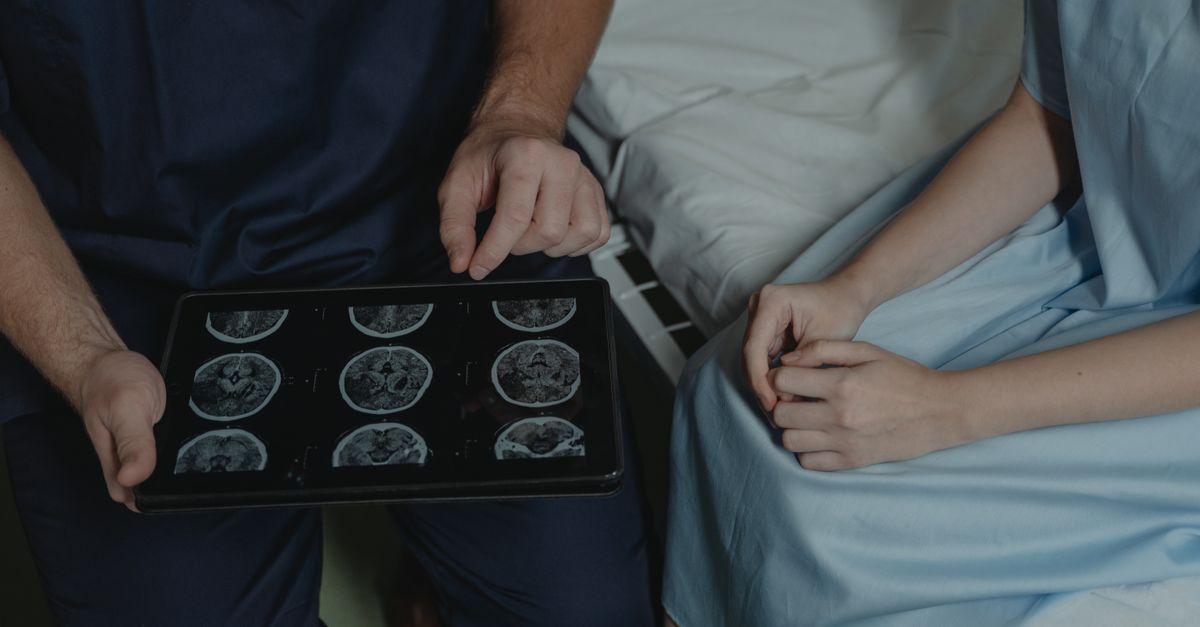
In today’s fast‑moving healthcare landscape, mobile imaging services are essential for timely diagnostics across varied settings—from rural clinics to hospice homes. Whether you’re looking at mobile ultrasound services, abdominal X‑ray services, or broader on‑site diagnostic imaging, knowing what each offers and how they fit into your workflow can save time, cut costs, and improve outcomes.
Mobile imaging isn’t a luxury—it’s an essential tool that brings high‑quality diagnostics directly to patients while keeping overhead low.What Is Mobile Imaging?
Mobile imaging uses portable diagnostic equipment—ultrasound machines, X‑ray units, CT scanners—that can be transported to patient locations. The idea is the same as on‑site imaging: bring technology to where care happens instead of moving patients to a fixed facility. In addition to clinical benefits, mobile services often align with payer policies that favor in‑house diagnostics for cost containment and quality metrics.
Core Components of Mobile Imaging Solutions
Typical setups include:
- Portable scanners with built‑in power supplies or battery backups lasting up to 8 hours on a single charge.
- Secure data transmission modules for real‑time image sharing, often using end‑to‑end encryption and compliant VPN tunnels.
- Staffing kits—radiology techs, nurses, and support personnel trained in transport protocols and patient positioning.
- Compliance checklists aligned with HIPAA, CLIA, and local regulations to ensure audit readiness.
- Redundant backup systems such as spare batteries or portable generators to mitigate power disruptions during remote deployments.
Types of Mobile Imaging Services
The market has diversified into several sub‑categories. Below is a quick breakdown of the most common offerings.
Mobile Ultrasound Services
Portable ultrasound units are now lightweight enough to fit in a standard SUV and are ideal for:
- Obstetric monitoring in remote birthing centers, providing real‑time fetal assessments without transfer.
- Trauma assessment on-site at accident scenes, allowing immediate identification of internal bleeding or fractures.
- Point‑of‑care cardiac checks in intensive care units and home health visits, enabling rapid evaluation during critical events.
Abdominal X‑ray Services
Dedicated portable abdominal X‑ray machines provide fast imaging for:
- Pediatric patients who can’t stay still in a stationary unit, reducing the need for sedation.
- Emergency departments needing immediate bowel obstruction evaluation to guide surgical planning.
- Hospice care settings where transport risks outweigh benefits, allowing clinicians to assess pain sources without moving the patient.
On‑Site Diagnostic Imaging (CT, MRI, PET)
Modular CT and MRI units can be installed temporarily in hospital wings or satellite clinics. They keep scan times comparable to fixed installations while offering:
- High‑resolution imaging for complex cases such as oncologic staging or neurovascular assessment.
- Reduced patient transport delays, critical during time‑sensitive procedures like stroke interventions.
- Scalable deployment for seasonal demand spikes—for example, increased imaging needs during flu season or disaster response.
Portable Mammography
A growing niche involves portable mammography units deployed to community health fairs or underserved regions. These devices provide breast cancer screening with image quality comparable to fixed facilities, expanding access for women facing transportation barriers.
Hospice Care Imaging
In hospice environments, the priority is comfort. Mobile imaging here focuses on:
- Non‑invasive diagnostics that avoid patient movement and preserve dignity.
- Rapid image delivery to support end‑of‑life decision making, such as assessing pain sources or infection sites.
- Integration with palliative care plans for symptom management, enabling clinicians to tailor medication adjustments based on imaging findings.
Advantages of Mobile Imaging Solutions
Choosing mobile over traditional fixed imaging offers multiple benefits.
Accessibility & Cost Savings
By eliminating transport logistics, you reduce:
- Patient travel time and associated stress, improving compliance with follow‑up care.
- Facility overhead—no dedicated radiology suite needed, cutting capital costs on space renovation, HVAC upgrades, and lighting.
- Insurance claim denials tied to delayed imaging, as timely results often meet quality benchmarks set by payers.
Speed & Efficiency
Mobile units can be dispatched in under an hour, translating to:
- Faster diagnosis and treatment initiation, especially critical in trauma or acute care settings.
- Improved throughput for emergency departments, allowing more patients to be seen within the same shift.
- Lower risk of complications from delayed imaging, such as missed diagnoses leading to prolonged hospital stays.
Patient Experience
Patients stay in familiar surroundings. For vulnerable groups—elderly, children, hospice patients—this means less anxiety and a higher likelihood of completing the required studies. Positive experiences also contribute to better overall satisfaction scores for healthcare organizations.
Key Considerations When Choosing a Provider
Selecting the right mobile imaging partner requires a structured evaluation framework.
Technology and Equipment Quality
Ask for:
- Manufacturer warranties covering transport wear and tear, ensuring coverage if equipment is damaged during movement.
- Latest firmware updates to maintain image fidelity and security patches that prevent vulnerabilities.
- Redundant power supplies for uninterrupted service, such as dual battery packs or generator backups.
- Proof of compliance with industry standards like IEC 60601 for medical electrical equipment.
Licensing & Compliance
Verify the provider holds:
- CLIA certification for diagnostic testing, confirming laboratory quality controls and reporting accuracy.
- HIPAA‑compliant data handling protocols, including secure storage, audit trails, and patient consent management.
- State and local licenses for mobile health services, ensuring operations are authorized in every jurisdiction served.
Staffing & Expertise
Your team should have:
- Certified radiology technicians experienced in portable setups, capable of performing quality checks on the fly.
- Nurses trained to assist with patient positioning during transport and to manage any acute complications that arise.
- On‑call support for troubleshooting equipment issues, ideally with a 24/7 hotline and rapid field service response times.
Integration with Electronic Health Records (EHR)
Seamless image upload and annotation are essential. Look for:
- Direct DICOM integration into your EHR system, enabling clinicians to view images within their usual workflow.
- Real‑time reporting dashboards that provide status updates on pending studies and turnaround times.
- Audit trails to satisfy regulatory oversight, documenting who accessed or modified each image.
Common Challenges and How to Overcome Them
Even the best mobile imaging programs face hurdles. Below are frequent pain points and practical mitigations.
Equipment Malfunction During Transport
Mitigation: Use shock‑absorbing carts, conduct pre‑deployment checks, maintain a rapid response tech hotline, and schedule routine preventive maintenance to catch wear before failure.
Data Security Breaches
Mitigation: Encrypt all data in transit with AES-256, use VPNs for remote access, enforce strict user authentication protocols such as multi‑factor authentication, and conduct periodic security audits to validate compliance.
Insurance Reimbursement Discrepancies
Mitigation: Keep detailed logs of service times, patient locations, and provider credentials; attach signed authorizations where required; coordinate with billing specialists to verify payer rules before submitting claims.
Case Study: Implementing Mobile Imaging in a Rural Hospital
A mid‑size county hospital faced long wait times for abdominal CT scans due to limited on‑site capacity. By partnering with a mobile imaging provider that offered modular CT units, they achieved:
- 30% reduction in average patient turnaround time, from 48 hours down to 33 hours.
- 25% lower readmission rates for abdominal emergencies within 30 days of discharge.
- Improved staff satisfaction scores by 15%, reflecting reduced overtime and better workload distribution.
- Estimated annual savings of $350,000 in imaging‑related costs when factoring equipment leasing versus purchasing a permanent scanner.
Future Trends for Mobile Imaging in 2026
The next few years will see continued convergence of technology and mobility. Key trends include:
- AI‑assisted image interpretation: Real‑time diagnostic suggestions reduce the need for specialist review on the spot, improving decision speed while maintaining accuracy.
- Wireless power transfer: Eliminates battery constraints, allowing longer deployments in remote areas and reducing downtime between scans.
- Integrated tele‑health platforms: Combine imaging with video consults to provide end‑to‑end patient care remotely, enabling specialists to review images and discuss findings simultaneously.
- Regulatory harmonization: Emerging national standards for mobile diagnostic services will simplify cross‑state operations, reducing paperwork and licensing friction.
Frequently Asked Questions
Browse answers to common questions about our services.