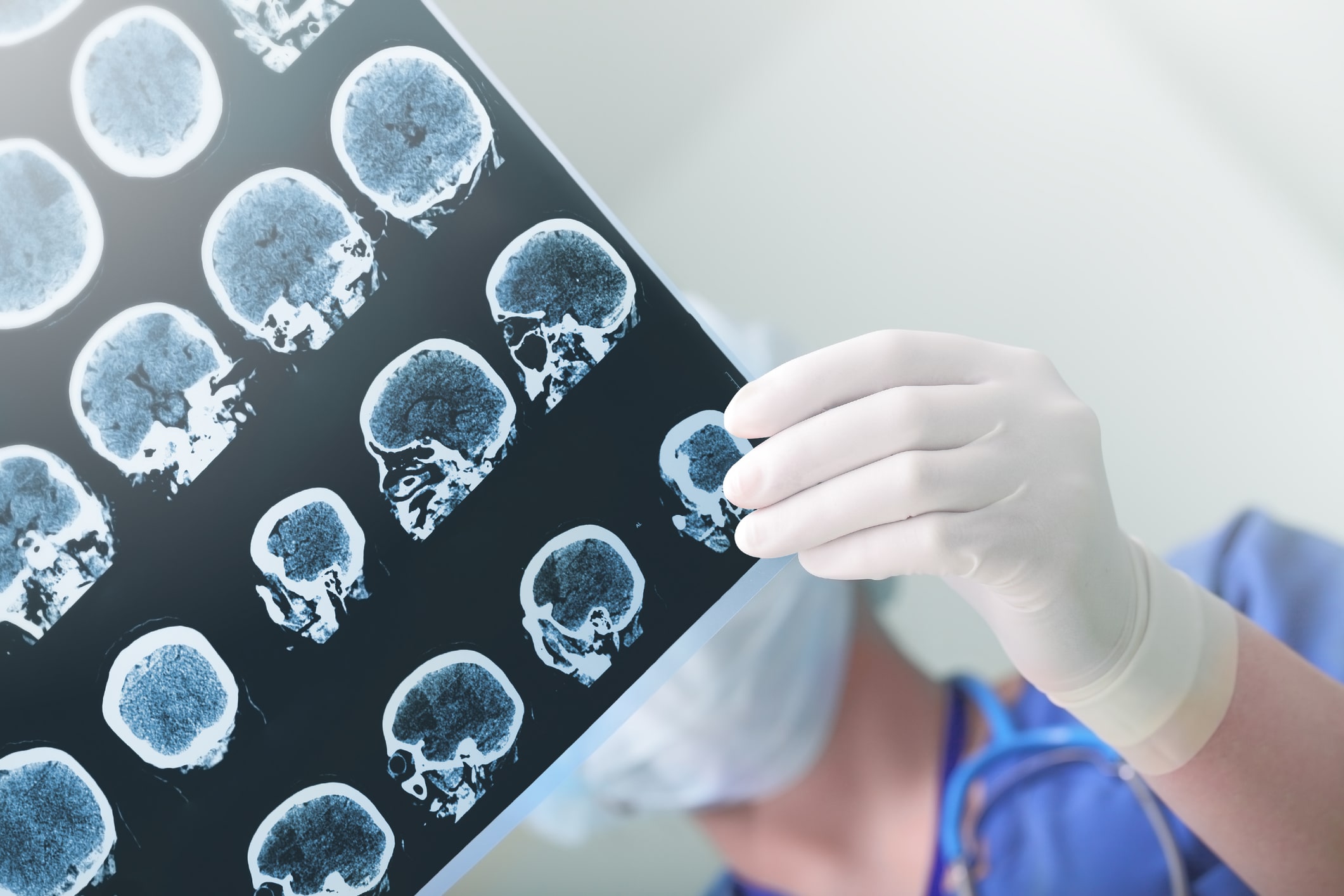
Optimizing Healthcare: A Case Study on HIPAA-Compliant Mobile Radiology Services
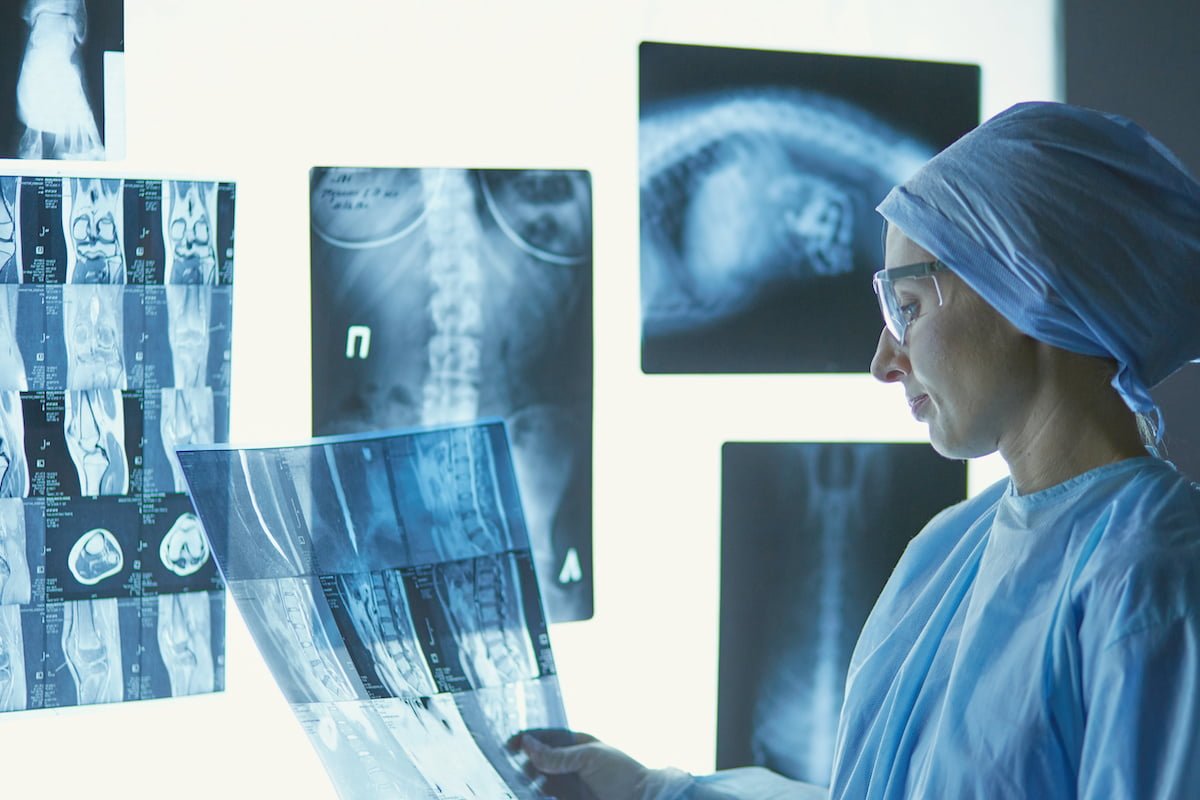
As a seasoned entrepreneur with a keen interest in leveraging technology to enhance efficiency, I've noticed a critical demand in the healthcare sector for reliable and swift radiology services. This demand is particularly pronounced for HIPAA-compliant radiology services, mobile radiology experts, on-site medical scans, timely radiology results, and physician-ordered imaging. Navigating through this complex landscape requires a thorough understanding of the processes and technologies that make up mobile radiology services.
Understanding HIPAA-Compliant Radiology Services
Ensuring patient data protection while delivering medical services is paramount in any healthcare-related endeavor. HIPAA-compliant radiology services must adhere to stringent security standards to protect patient information during the transmission and storage of medical images and data. Implementing these standards is crucial for maintaining trust and compliance.
In my experience, investing in robust encryption technologies and secure data transfer protocols significantly mitigates the risk of data breaches. Moreover, continuous staff training on HIPAA regulations is essential for maintaining compliance and ensuring that patient data is handled responsibly.
Key Components of Compliance
- Data Encryption: Ensuring that all transmitted and stored data is encrypted.
- Access Controls: Limiting access to patient data to authorized personnel only.
- Risk Assessment: Regular audits and assessments to identify and mitigate potential security risks.
- Staff Training: Ongoing training on HIPAA regulations and best practices.
By focusing on these key areas, healthcare providers can ensure their radiology services are both compliant and effective.
Role of Mobile Radiology Experts
In today's fast-paced healthcare environment, mobile radiology experts play a pivotal role. These professionals are not only adept at performing scans but also at ensuring the rapid transmission of images to expedite diagnoses.
Utilizing mobile radiology services offers numerous benefits, such as reducing patient wait times and providing services in remote or underserved areas. Additionally, from setting up mobile units at health fairs to rapid deployment at disaster sites, these experts ensure timely health interventions.
Benefits of Mobile Radiology Services
- Increased accessibility to diagnostic services
- Reduction in patient transportation costs and stress
- Quicker diagnostic results
- Flexibility in service locations
Mobile radiology not only streamlines the diagnostic process but also significantly expands the reach of healthcare services.
Importance of Timely Radiology Results
Delivering timely radiology results is crucial for effective patient care. Quick turnaround times can dramatically affect the treatment outcomes, especially in acute cases such as accidents or sudden illnesses.
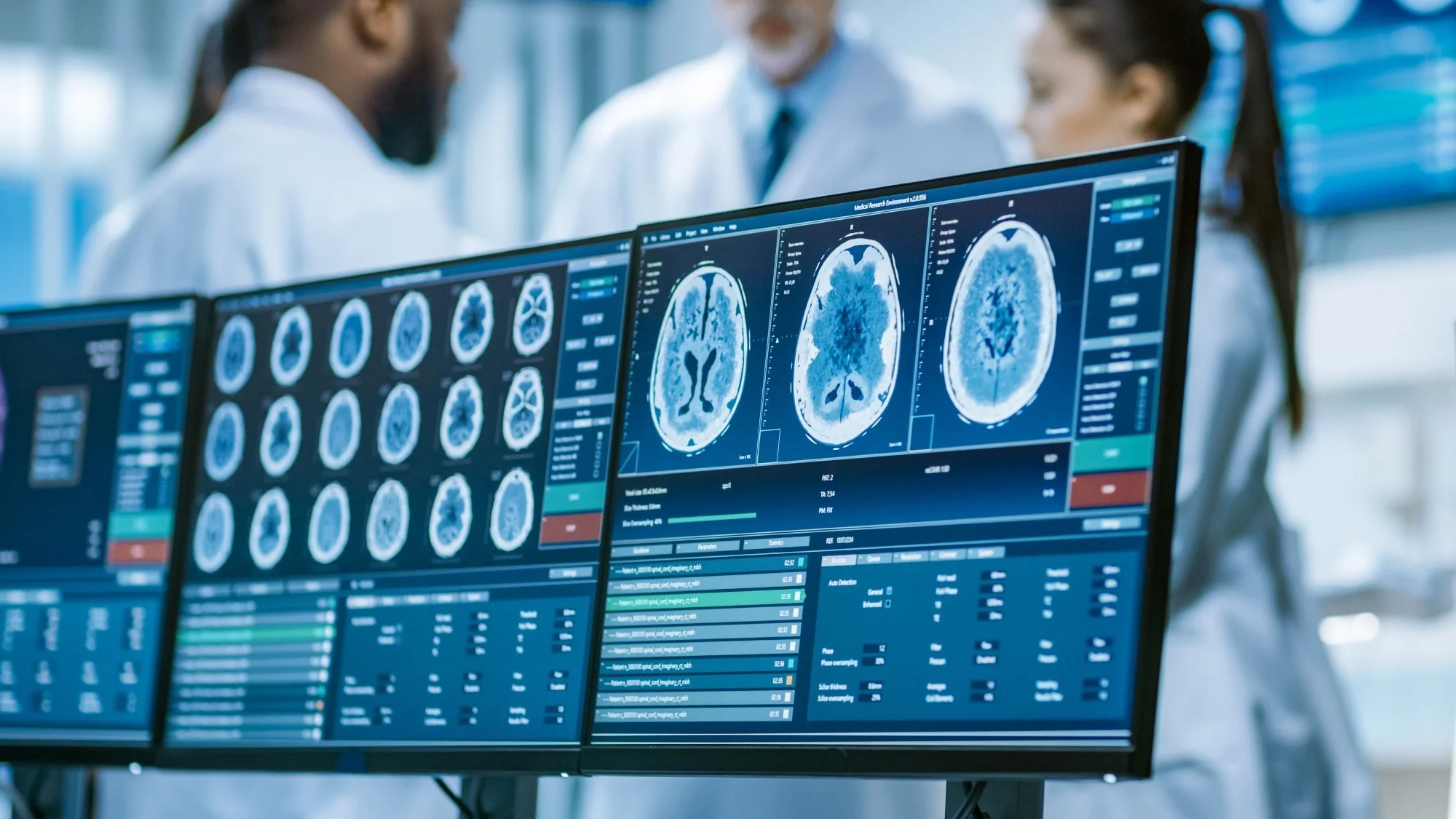
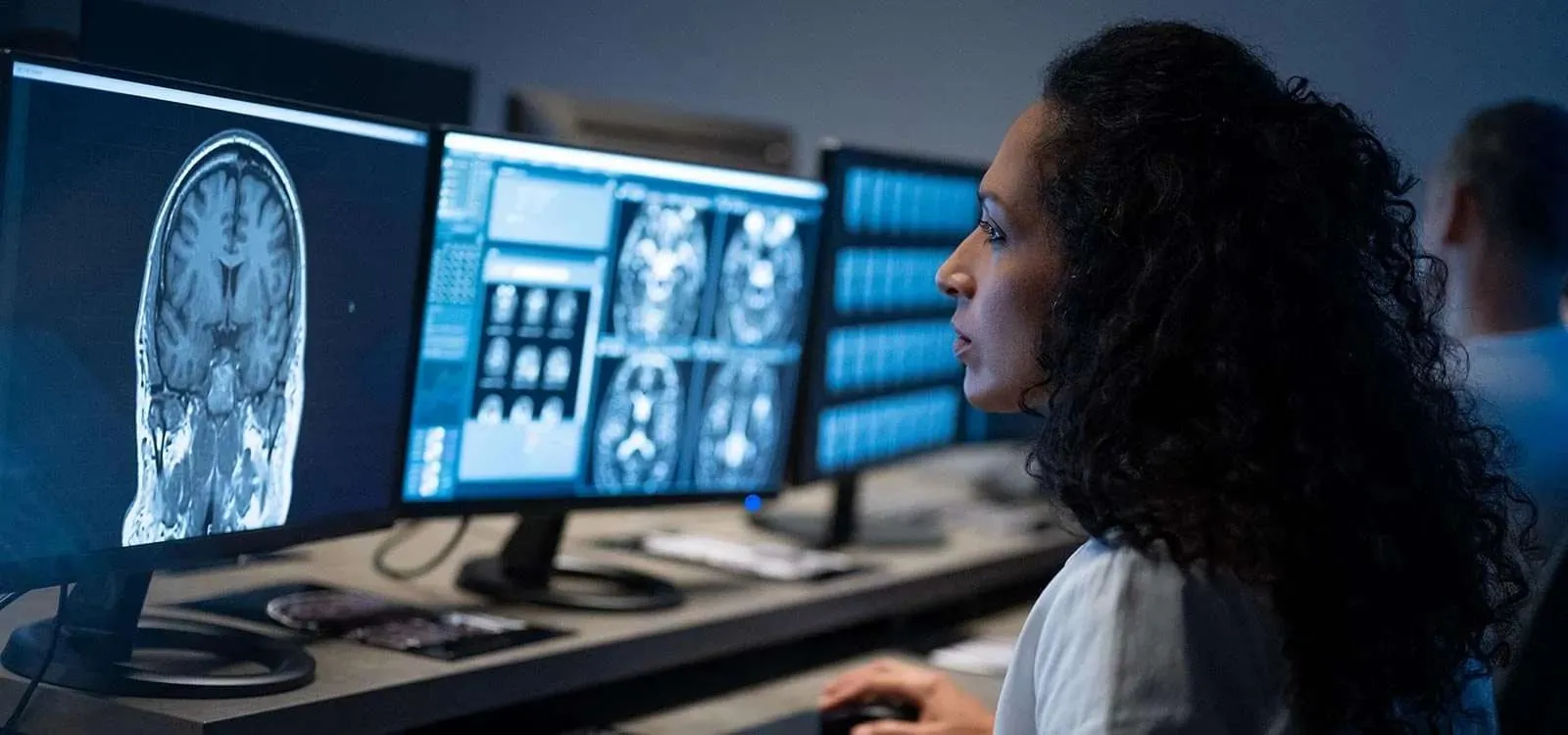
Integrating advanced imaging technologies and efficient data management systems plays a substantial role in optimizing the speed and accuracy of radiology reports.
Strategies to Enhance Turnaround Time
- Employing state-of-the-art diagnostic equipment
- Streamlining workflows to reduce unnecessary steps
- Implementing AI and machine learning for quicker image analysis
- Enhancing communication channels between radiologists and physicians
By adopting these strategies, healthcare providers can ensure that critical diagnostic information is available when it is most needed.
Navigating Physician-Ordered Imaging
Physician-ordered imaging is a critical component of medical diagnostics. Ensuring that these orders are executed promptly and efficiently requires a well-coordinated effort between physicians, radiologists, and technologists.
Automation and standardized procedures can greatly improve the efficiency of this process, ensuring that imaging is timely and accurately aligned with the physicians' diagnostic needs.
Effective Practices for Managing Imaging Orders
- Standardizing order formats
- Using digital platforms for order entry and tracking
- Prioritizing urgent cases
- Maintaining clear communication between all parties involved
Proper management of imaging orders not only streamlines the diagnostic process but also enhances patient satisfaction by ensuring their needs are met swiftly and effectively.
The integration of technology in radiology not only enhances operational efficiency but also significantly improves patient care by ensuring swift and secure diagnostic services. How has the integration of mobile radiology services impacted your healthcare practice or experiences?Frequently Asked Questions
Browse answers to common questions about our services.