Comparing Diagnostic Imaging Services: Vascular Ultrasound vs. Portable Radiology Equipment

As an entrepreneur deeply involved in healthcare innovations, I've witnessed firsthand the transformative impact of diagnostic imaging technologies. In this discussion, we dive into the nuances of vascular ultrasound imaging and portable radiology equipment, exploring their applications, benefits, and limitations. This comparative analysis aims to equip medical professionals and healthcare facilities with essential information to make informed decisions regarding their diagnostic imaging capabilities.
Understanding Diagnostic Imaging Services
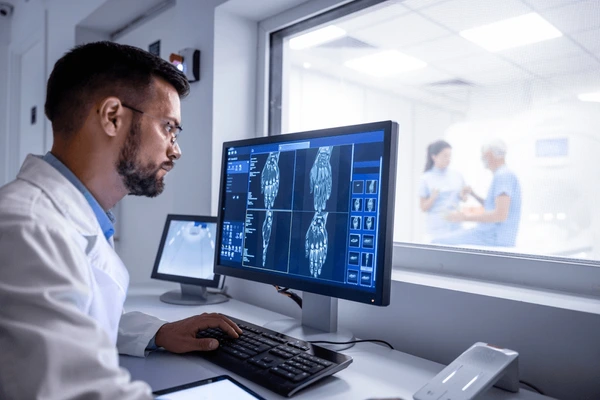
Diagnostic imaging services are critical in modern medicine, providing a visual representation of the body's interior without invasive procedures. These services encompass a variety of techniques and technologies, each tailored to specific diagnostic needs.
In my experience, selecting the right imaging technology can significantly influence diagnostic accuracy and patient outcomes.
Key components of these services include their ability to detect diseases early, guide treatment plans, and monitor patient recovery.
Vascular Ultrasound Imaging
Vascular ultrasound imaging utilizes sound waves to assess the body's circulatory system, helping detect blockages in arteries and veins and evaluate blood flow. This non-invasive method is crucial for diagnosing conditions like deep vein thrombosis and arterial occlusions.
Portable Radiology Equipment
Portable radiology equipment, such as mobile X-ray machines, offers flexibility in patient care, allowing for immediate imaging in emergency situations, at bedside in hospitals, or in remote areas. This adaptability makes it invaluable in diverse clinical settings.
Comparative Analysis: Vascular Ultrasound vs. Portable Radiology
When comparing these two forms of diagnostic imaging, several factors come into play, including their diagnostic target, ease of use, and integration into patient care routines.
Diagnostic Accuracy and Applications
Vascular ultrasound is highly effective for vascular conditions, providing detailed images of blood flow and vessel walls. In contrast, portable radiology is more diversified, aiding in diagnosing fractures, pneumonia, and abdominal issues.
Cost and Mobility
Portable radiology equipment generally comes with a higher initial investment but offers broader applications, which can justify the cost. Vascular ultrasound is less expensive and easier to move, making it suitable for outpatient clinics and small medical facilities.
User Training and Safety
The operation of ultrasound systems typically requires specialized training in sonography, whereas portable radiology units necessitate knowledge of radiological safety protocols to protect both patient and operator from radiation exposure.
Choosing the Right Equipment for Your Facility
Choosing between vascular ultrasound and portable radiology equipment depends on your facility's specific needs, patient demographics, and logistical considerations.
Consider factors like the predominant conditions treated, available space, and staff expertise when making this decision.
Factors to Consider
- Diagnostic needs and frequency of use
- Budget constraints and ROI
- Space availability and mobility requirements
- Staff training and safety measures
Ultimately, the right choice will balance cost-effectiveness with diagnostic efficacy and patient care standards.
Future Trends in Diagnostic Imaging
The future of diagnostic imaging looks promising with advancements in AI and machine learning, enhancing the precision and efficiency of imaging services. Portable and specialized imaging technologies are expected to become even more integrated, providing comprehensive diagnostic solutions that are both efficient and patient-centric.
The integration of AI in imaging analysis represents a significant leap forward in diagnostic capabilities, pushing the boundaries of what these technologies can achieve in patient care.Frequently Asked Questions
Browse answers to common questions about our services.