Essential Guide to Radiology Services in 2026: Timely Results and Accessible Support

Welcome to the comprehensive guide on radiology services available in 2026. As healthcare continues to evolve, the importance of accessible radiology services, timely radiology results, and comprehensive support cannot be overstated. Whether you're a patient seeking understanding or a healthcare provider looking to enhance your services, this guide will provide valuable insights into the latest in bedside imaging, orthopedic imaging, and overall radiology support services.
Understanding Accessible Radiology Services
Accessible radiology services are crucial in ensuring that all patients have the timely and effective care they need. These services are designed to be patient-centric, minimizing the barriers to accessing essential diagnostic imaging like MRIs, CT scans, and X-rays.
Accessibility can be enhanced through multiple channels such as mobile units, community-based installations, and extended hours of operation at imaging centers. These adjustments ensure that radiology services are not just confined to standard hospital settings, making it easier for patients in remote or underserved areas to receive the care they need.
Key Components of Accessible Radiology Services
- Mobile radiology units
- Extended hours in imaging centers
- Online appointment scheduling
- Transport services for patients
By integrating these components, radiology departments can greatly enhance accessibility, reducing wait times and improving patient outcomes.
Ensuring Timely Radiology Results
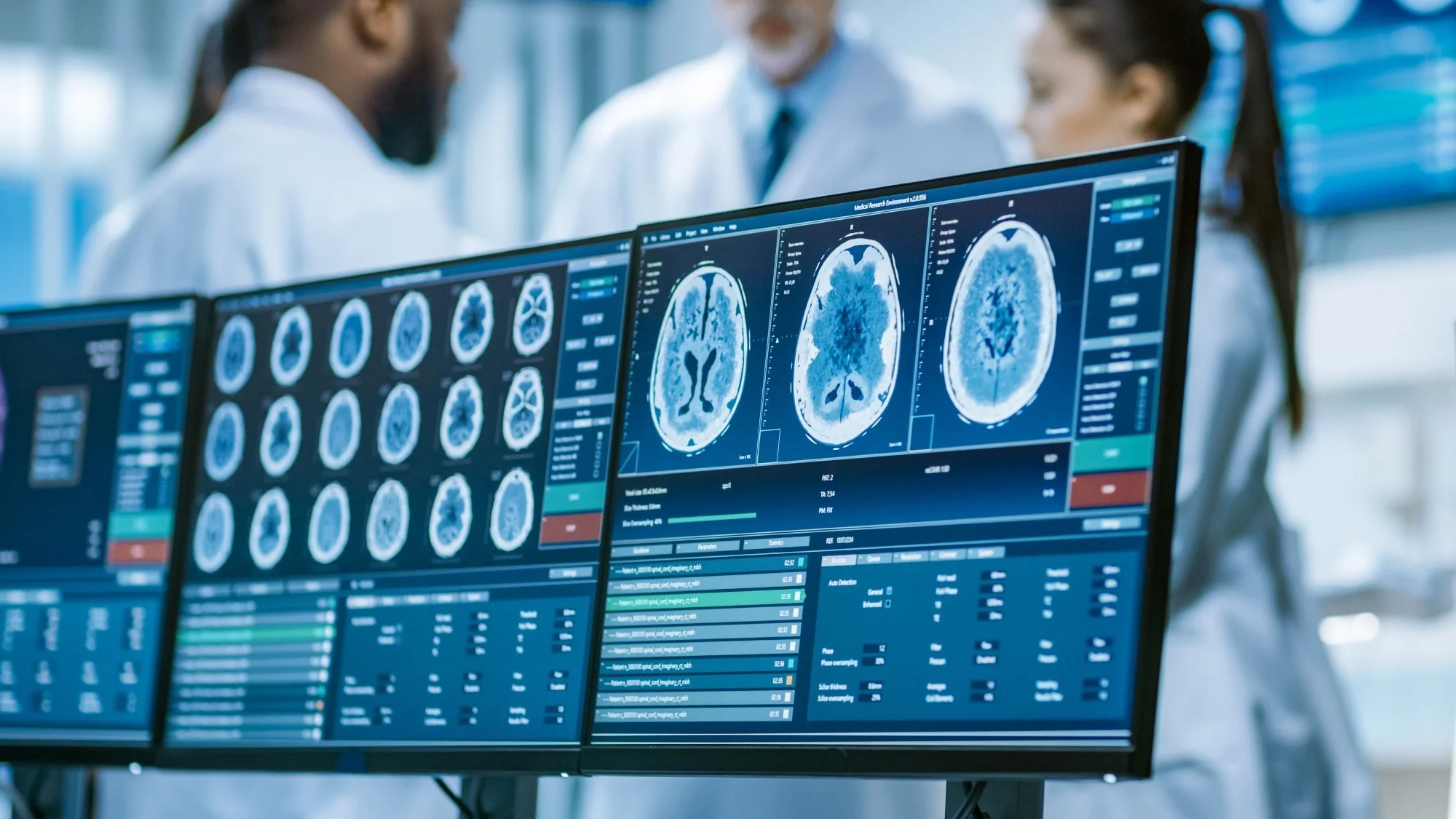
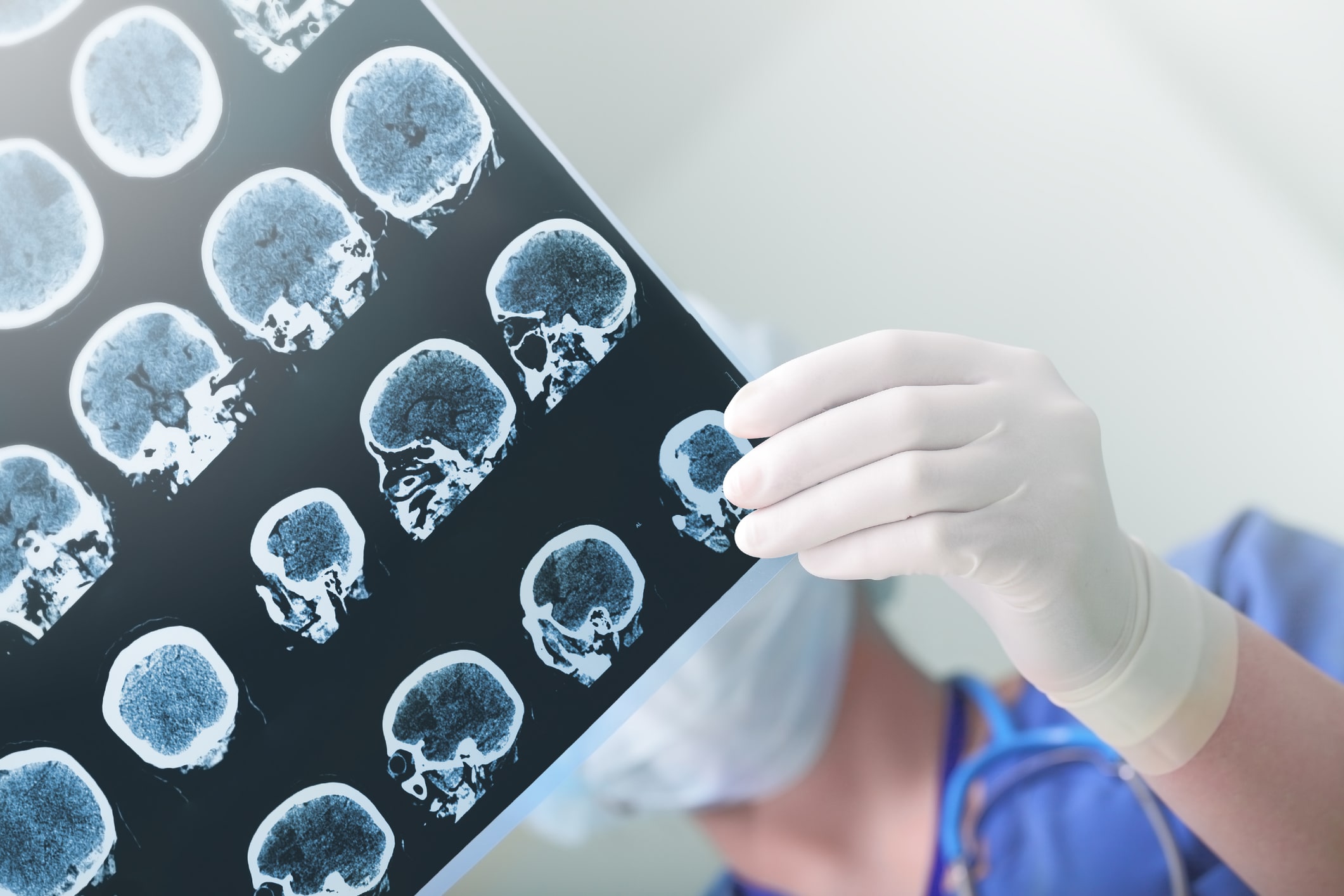
Timeliness in radiology results is critical for the fast diagnosis and initiation of appropriate treatment protocols. Advanced digital imaging technologies and AI-driven tools are now routinely used to expedite the analysis and dissemination of imaging results.
Integration of IT systems across hospital departments ensures that once images are taken, they are quickly processed and made available to the attending healthcare providers. This seamless flow of information is vital for critical care patients, where every second counts.
Strategies for Achieving Timely Results
- Automation of image analysis
- Real-time data sharing between departments
- Use of AI for preliminary diagnostics
- Training staff on rapid response protocols
By focusing on these strategies, radiology departments can significantly reduce the turnaround time for test results, enhancing patient care and satisfaction.
Comprehensive Radiology Support Services
Radiology support services encompass a range of activities designed to support both the technical and patient-care aspects of radiology. This includes everything from technical assistance with radiology equipment to patient education and follow-up care planning.
Support services play a pivotal role in ensuring that radiology departments operate efficiently and that patients receive high-quality, compassionate care throughout their imaging experience.
Components of Effective Radiology Support Services
- Maintenance of radiology equipment
- Continuing education for radiology technicians
- Patient navigation and education programs
- Data analytics for performance improvement
Investing in robust support services helps improve the overall functionality and impact of radiology services on patient health outcomes.
Specialized Bedside and Orthopedic Imaging Services
Bedside imaging services are essential in intensive care units, emergency rooms, and for patients who are immobile and cannot be easily transported to the radiology department. Portable imaging technology has revolutionized how caregivers deliver prompt diagnostic care.
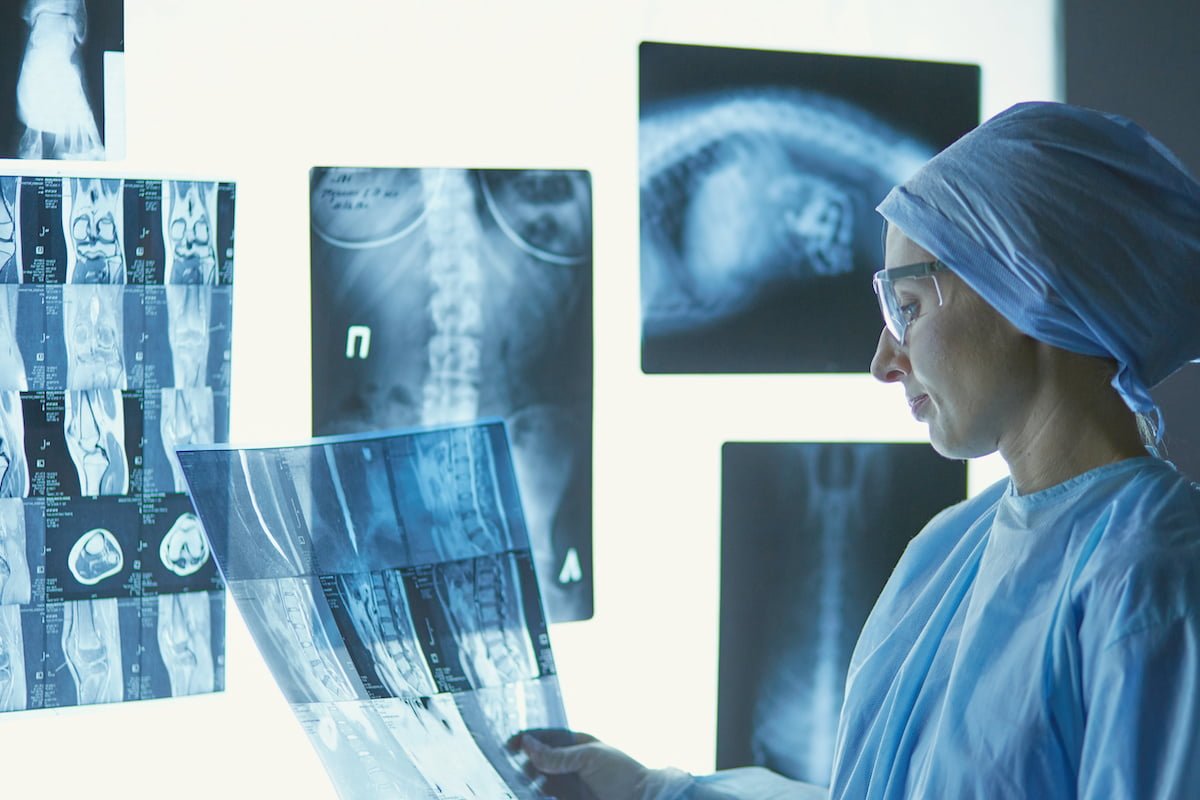
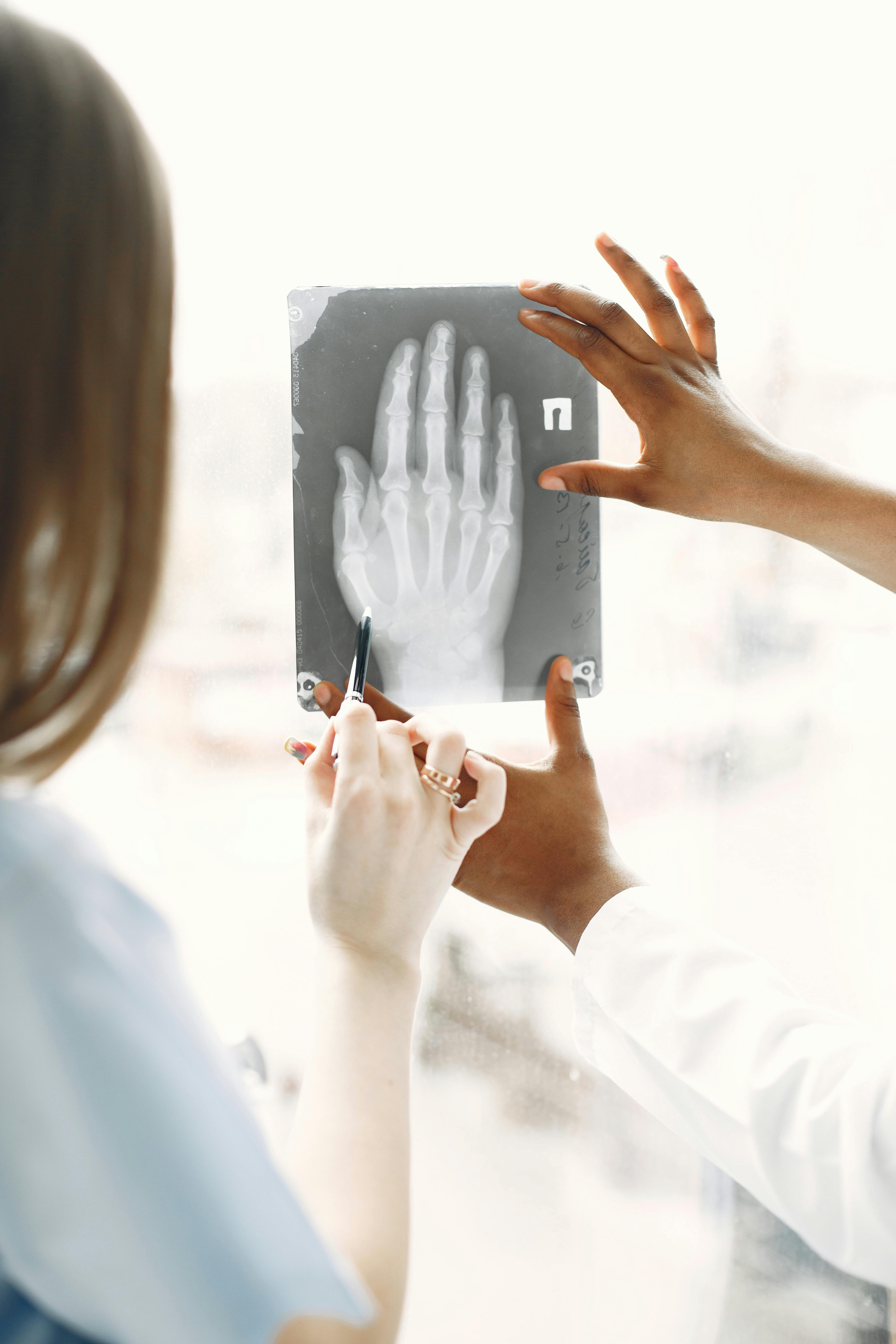
Similarly, orthopedic imaging services require specialized equipment and expertise to accurately diagnose bone, joint, and muscle disorders. Advanced imaging techniques such as 3D imaging and MRI provide detailed views that are crucial for effective treatment planning.
Innovations in Bedside and Orthopedic Imaging
- Portable X-ray and ultrasound machines
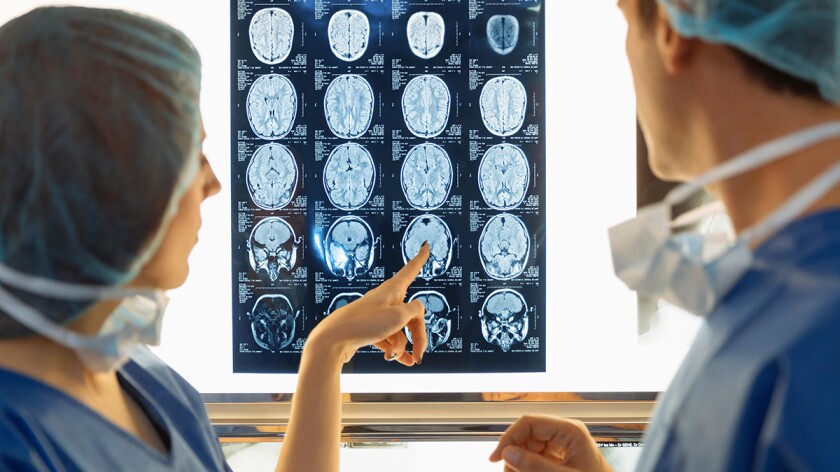
- Advanced MRI technology for detailed imaging
- 3D imaging for orthopedic assessments
- Integration of imaging data with electronic health records
The adoption of these innovative technologies ensures comprehensive care delivery, directly at the patient's bedside or with specific focus on orthopedic needs.
The integration of advanced technologies and patient-centric strategies in radiology can significantly enhance the efficiency and effectiveness of diagnostic services. How have advancements in radiology technology impacted your healthcare experience or practice?Frequently Asked Questions
Browse answers to common questions about our services.