How can mobile patient imaging improve care in nursing homes?
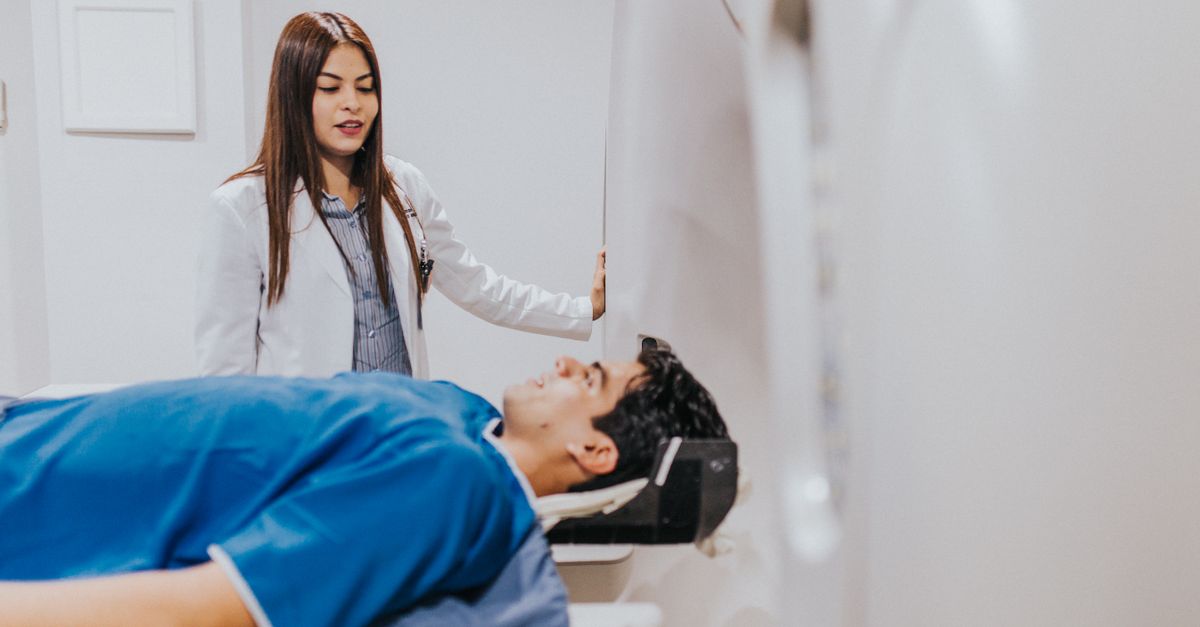
When a resident’s health status changes, time is the most critical factor. Traditional imaging requires transporting patients to off‑site radiology suites—a process that delays diagnosis and can compromise safety. Mobile patient imaging brings diagnostic capabilities directly into nursing homes, enabling rapid assessment, reducing transport risks, and improving overall care quality. This article explains what mobile imaging entails, why it matters for long‑term care facilities, how to select a reliable provider, and what cost and operational factors you should consider.
What Is Mobile Patient Imaging?
Mobile patient imaging refers to portable radiographic systems—X‑ray, CT, MRI, or ultrasound—that can be moved from one location to another without the need for permanent installation. In a nursing home setting, these units are often mounted on dollies or vehicles and operated by trained technicians who travel between buildings or individual rooms.
Unlike stationary imaging suites that require dedicated space and infrastructure upgrades, mobile solutions use lightweight, battery‑powered equipment and wireless data transmission to connect with hospital servers. This flexibility allows care providers to perform bedside X‑rays for fractures, pulmonary infiltrates, or abdominal issues without subjecting residents to the stress of transport.
Core Components of a Mobile Imaging System
- Portable X‑ray unit with adjustable gantry height
- Battery pack and power management module
- Wireless network interface for DICOM transmission
- User‑friendly software with image quality controls
- Onboard safety features (radiation shielding, automatic exposure control)
These elements work together to deliver image quality comparable to fixed‑site equipment while preserving the convenience of mobility.
Key Advantages for Nursing Homes
Implementing mobile imaging transforms several aspects of resident care:
- Reduced Transport Risk: Eliminates the need to move frail patients, lowering fall and injury rates.
- Faster Diagnosis: Immediate imaging results lead to quicker treatment decisions.
- Cost Efficiency: Cuts expenses related to ambulance services and external lab fees.
- Operational Flexibility: Allows imaging in multiple locations—rooms, activity areas, or outdoor settings if needed.
Moreover, residents often experience less anxiety when the procedure occurs in familiar surroundings. For staff, mobile units streamline workflows and reduce downtime associated with scheduling external imaging appointments.
Additional Benefits That Enhance Daily Operations
Beyond the primary advantages listed above, mobile imaging can subtly influence the rhythm of a nursing home’s daily life. For example, an on‑site X‑ray can be performed during a resident’s routine medication round, ensuring that diagnostic steps do not interrupt scheduled care times. The ability to capture images in situ also supports more accurate clinical documentation; nurses can immediately annotate findings or attach images directly to the resident’s chart without waiting for off‑site review.
In practice, this means fewer missed opportunities for early intervention—such as identifying a subtle rib fracture before pain escalates—and a smoother handoff between nursing shifts. When imaging is integrated into routine care, staff feel more empowered and residents benefit from a sense of continuity and familiarity that often improves overall satisfaction scores.
Choosing a Mobile Imaging Company
Selecting a provider involves more than price; it requires evaluating technology, support, compliance, and integration capabilities. Below are critical criteria to guide your assessment.
Technology and Equipment Standards
A reputable mobile imaging company should supply equipment that meets or exceeds regulatory standards (e.g., FDA approval in the U.S.) and offers consistent image quality across various body regions.
Essential Features to Evaluate
- Image resolution comparable to fixed‑site units
- Built‑in radiation dose monitoring
- Compatibility with existing PACS (Picture Archiving and Communication System)
- Remote firmware updates and cybersecurity safeguards
- Warranty covering hardware, software, and consumables for at least 24 months
In my experience, providers that maintain a small, on‑site technician team for rapid response can dramatically reduce downtime and improve resident outcomes.
Operational Integration
The transition from paper orders to digital imaging requires smooth integration with your facility’s electronic health records (EHR) and workflow systems.
- EHR Compatibility: Verify that the vendor supports HL7 or FHIR standards for seamless data exchange.
- Staff Training: Ensure the company offers comprehensive training modules for nurses, aides, and technicians.
- Scheduling Flexibility: Look for software that allows quick assignment of imaging slots based on priority levels.
- Support Desk Availability: 24/7 technical support is critical during emergencies.
By aligning the mobile system with existing IT infrastructure, you avoid duplicate work and reduce the learning curve.
Vendor Evaluation Checklist
- Does the vendor provide a detailed service level agreement (SLA) that specifies response times for maintenance calls?
- What training certification process is in place for staff who will operate or assist with the mobile unit?
- Can the vendor demonstrate compliance records, including recent audit reports and incident logs?
- Is there a clear escalation path if an image fails to transmit correctly or if data security protocols are breached?
- Does the company offer a trial period or pilot deployment before full contract signing?
Cost Considerations and ROI
While upfront investment in a mobile imaging solution can be significant, the long‑term return on investment (ROI) often outweighs initial costs. Below is a breakdown of typical expenses and savings opportunities.
- Capital Expenditure: Portable X‑ray units range from $150,000 to $300,000 depending on features.
- Operational Costs: Annual service contracts (~$10,000–$15,000), consumables (film or digital media), and power consumption.
- Savings Factors: Reduced ambulance usage ($1,200 per transport), lower radiology referral fees ($500–$800 per study), and decreased readmission rates due to faster diagnosis.
- Payback Period: Most facilities see a 3‑5 year payback when factoring in cost avoidance and improved quality metrics.
In my experience, aligning the imaging investment with state reimbursement programs for telehealth and home care can accelerate ROI.
Pitfalls to Avoid When Deploying Mobile Imaging
- Underestimating Training Needs: Staff unfamiliar with mobile protocols may delay image acquisition or compromise quality.
- Ignoring Radiation Safety Protocols: Portable units must still adhere to ALARA (As Low As Reasonably Achievable) principles.
- Choosing a Vendor Without Proven Compliance Track Record: Regulatory violations can halt operations and damage reputation.
- Lack of Data Backup Plans: Ensure that images are automatically archived in multiple secure locations.
- Neglecting Maintenance Schedules: Skipping routine checks leads to equipment downtime during critical moments.
Implementation Roadmap
A structured approach helps ensure a smooth rollout and minimizes disruptions. Consider the following phased timeline:
- Assessment Phase (Weeks 1‑4): Conduct a needs analysis, inventory current imaging workflows, and establish key performance indicators.
- Vendor Selection (Weeks 5‑8): Use the evaluation checklist to shortlist providers, request proposals, and negotiate contracts.
- Infrastructure Preparation (Weeks 9‑12): Install necessary network connectivity, designate storage space for equipment, and set up backup power options.
- Training & Pilot (Weeks 13‑16): Deliver hands‑on training to nursing staff and technicians; run a pilot in one unit or wing to test integration with EHR.
- Full Deployment (Week 17 onwards): Roll out across all units, monitor quality metrics, and adjust workflows based on real‑world data.
- Continuous Improvement (Ongoing): Review performance quarterly, update protocols as new technology emerges, and maintain open communication with the vendor for support.
Compliance & Regulatory Landscape
Mobile imaging must adhere to a range of federal and state regulations. In addition to FDA device approval, facilities should review:
- HIPAA Privacy Rules: Ensure that image transmission channels are encrypted and access is logged.
- OSHA Radiation Safety Standards: Maintain proper shielding and monitor exposure levels for both patients and staff.
- State Telehealth Reimbursement Policies: Verify that imaging services qualify for billing codes applicable to long‑term care settings.
Regular compliance audits, coupled with vendor-provided documentation, help safeguard against penalties and reinforce trust among residents and their families.
Real-World Case Study: A 25‑Bed Facility in 2026
In early 2026, a mid‑size nursing home with 25 beds implemented a mobile X‑ray system after recognizing that each month they spent an average of five ambulance trips for imaging referrals. After deploying the unit, the facility reported:
- A 40% reduction in transport incidents.
- Average diagnostic turnaround time dropped from 3 days to under 24 hours.
- Annual savings of approximately $18,000 on ambulance and external radiology costs.
- Improved resident satisfaction scores by 12% due to less disruption.
This example illustrates the tangible benefits that a well‑executed mobile imaging strategy can deliver in a real‑world setting.
Future Trends in In-Home Diagnostic Imaging
- AI‑Enhanced Image Interpretation: Real‑time analysis to flag abnormalities and prioritize cases.
- Ultra‑Portable Ultrasound Devices: Handheld units that can be operated by nursing staff after brief training.
- Blockchain for Secure Data Sharing: Immutable logs of image acquisition and transfer.
- Hybrid Systems: Combining portable X‑ray with point‑of‑care CT for complex diagnostics.
- Greater Integration with Wearable Sensors to trigger imaging when physiological thresholds are breached.
Staying abreast of these developments ensures that your nursing home remains at the forefront of patient care innovation.
Mobile patient imaging delivers faster, safer diagnoses in nursing homes, translating into measurable cost savings and improved resident outcomes. What challenges have you encountered when integrating mobile imaging solutions into long‑term care settings, and how did you address them?Frequently Asked Questions
Browse answers to common questions about our services.