How Can Mobile Ultrasound Services Improve Timely Radiology Results for Healthcare Providers?
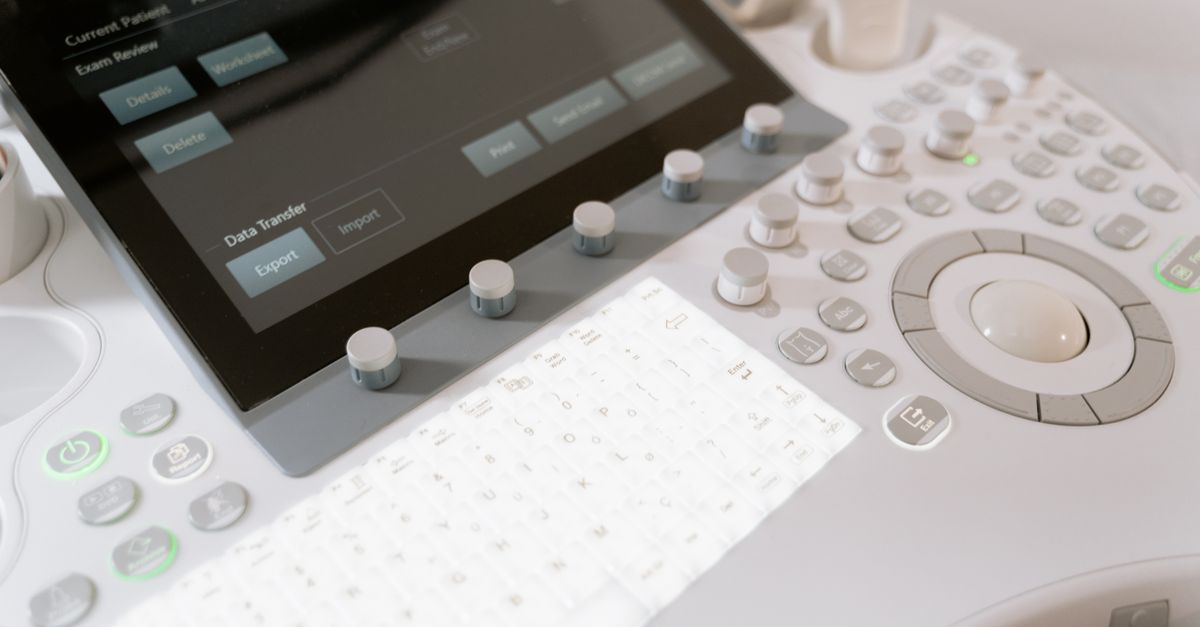
I’ve spent the last decade building systems that bring high‑value services directly to where patients need them. One of the most compelling solutions I’ve championed is mobile ultrasound diagnostic services. When a healthcare provider can deliver on‑site radiology, they cut travel time, reduce patient wait times, and ultimately improve outcomes. In this case study I’ll walk you through why mobile imaging matters, how to set up an efficient on‑site service, and how to measure the impact.
Understanding the Need for Mobile Imaging
In many rural or under‑served areas, patients must travel hours to reach a radiology department. The longer the delay, the higher the risk of complications and the lower the likelihood that treatment will be timely. I’ve seen clinics where patients arrive with acute abdominal pain only to wait 24 hours for an ultrasound result. That lag can mean the difference between a successful intervention and a missed diagnosis.
Mobile imaging solves this problem by bringing portable, high‑resolution scanners into hospitals, urgent care centers, or even patient homes. It also addresses workflow bottlenecks: busy radiology departments often have backlogs that push non‑urgent cases to later dates. By shifting routine scans out of the main lab, on‑site services free up core resources for complex imaging.
When planning a mobile program I focus on three pillars:
Key Considerations for On‑Site Ultrasound Services
- Equipment Selection: Choose rugged, battery‑powered units that meet ANSI/ISO safety standards and can deliver diagnostic image quality. Many vendors now offer models with integrated LTE or Wi‑Fi modules, enabling real‑time transmission to the PACS even in remote settings.
- Staffing Model: Combine a certified sonographer with a tech‑savvy support person who can troubleshoot hardware or software issues in the field. In addition, a brief refresher course on infection control and patient positioning helps maintain consistency across sites.
- Data Integration: Ensure seamless transfer of images to the PACS via secure, HIPAA‑compliant networks or encrypted USB storage when connectivity is limited. DICOM standards should be enforced so that downstream radiologists can immediately access and annotate the studies.
- Regulatory Compliance: Verify that your mobile service meets state licensing requirements for diagnostic imaging and obtain any necessary certifications. Keep an audit trail of each scan’s compliance documentation to satisfy CMS or payer audits.
- Cost Management: Track per‑scan expenses, including fuel, maintenance, and staff overtime, to benchmark ROI against traditional lab services. Consider leasing equipment versus purchasing outright; leasing can reduce upfront capital outlay while keeping the fleet modern.
The outcome of this groundwork is a scalable mobile platform that can be deployed in under an hour, with minimal disruption to existing workflows. In my experience, the biggest hurdle often isn’t technology but aligning stakeholders around a shared goal of faster, better patient care.
Implementing On‑Site Ultrasound Services
Once the foundation is set, the next step is operationalizing the service. I start by mapping out the most common indications for on‑site imaging—such as obstetric ultrasounds, abdominal pain workups, and musculoskeletal assessments—and prioritizing those that yield the highest clinical impact.
The deployment cycle has three phases:
Deployment Phases of Mobile Ultrasound
- Pilot Launch: Select one facility to run a controlled trial. Document baseline wait times, patient satisfaction scores, and cost per scan. Use this data to refine scheduling templates that fit the local workflow.
- Scale‑Up: Based on pilot data, roll out to additional sites, refining logistics such as routing schedules and backup equipment plans. Incorporate a mobile app that allows clinicians to request scans in real time, reducing idle travel time.
- Sustainability Check: Implement continuous quality improvement cycles—monthly reviews of image quality, turnaround time, and staff feedback—to keep the service efficient. Create a shared repository of best‑practice protocols so each sonographer can adapt to local patient populations.
I’ve found that involving front‑line clinicians early in the design process accelerates adoption. When physicians see how quickly they can obtain a diagnostic result, they naturally advocate for the service among peers.
Another critical factor is data security. In my experience, a single breach can derail an entire program. I therefore partner with IT to set up encrypted VPN tunnels and audit trails that track every image from capture to report. This not only protects patient privacy but also satisfies regulatory bodies that require tamper‑evident logs.
Measuring Outcomes and Ensuring Timely Results
The true value of mobile imaging shows itself in measurable metrics: reduced turnaround times, lower readmission rates, and higher patient satisfaction. I use a dashboard that pulls data from the PACS, billing systems, and patient surveys to provide real‑time insights.
Key performance indicators include:
Performance Indicators for On‑Site Radiology
- Turnaround Time (TAT): Target <24 hours from scan to report. Compare against baseline lab TAT and calculate the percentage of studies meeting this benchmark.
- Readmission Rates: Track 30‑day readmissions for conditions where early imaging is critical, such as appendicitis or ectopic pregnancy. A reduction in these rates often translates into measurable cost savings.
- Patient Satisfaction Scores: Use net promoter score (NPS) surveys focused on imaging experience. Patients who avoid long waits and travel are typically more satisfied with the overall care pathway.
- Cost per Scan: Include equipment depreciation, fuel, and staffing costs; aim to stay within 10% of lab cost while improving outcomes. Detailed line‑item accounting helps identify which components drive expenses.
- Image Quality Compliance: Percent of images passing radiologist quality review without need for repeat scans. Consistent training reduces the need for re‑examinations and saves time.
In my experience, the most surprising benefit is the ripple effect on clinical decision‑making. When physicians receive immediate imaging, they can initiate treatment in the same visit rather than scheduling a follow‑up. That not only saves money but also reduces anxiety for patients and families.
The final piece of the puzzle is integration with electronic health records (EHR). By embedding images directly into the patient’s chart, I eliminate paper trails and reduce administrative overhead. The result? A smoother workflow that keeps both clinicians and patients satisfied.
Beyond clinical metrics, mobile ultrasound also offers financial advantages for provider organizations. Because scans can be performed on a lean team with minimal infrastructure, the capital expenditure is lower than building a full‑service radiology suite. Moreover, when reimbursement models shift toward value‑based care, providers who demonstrate faster diagnostic turnaround and reduced readmissions may qualify for quality bonuses.
From a patient perspective, mobile ultrasound eliminates the need to travel long distances, often at inconvenient times. Families with young children or elderly patients can avoid the stress of waiting in crowded waiting rooms, leading to higher overall satisfaction scores that influence hospital ratings and referral patterns.
Key takeaway: Mobile ultrasound services cut imaging turnaround from days to hours, improving patient outcomes while keeping costs comparable to traditional lab services when properly implemented.What challenges have you faced in deploying mobile diagnostic imaging, and how did you overcome them?
Frequently Asked Questions
Browse answers to common questions about our services.