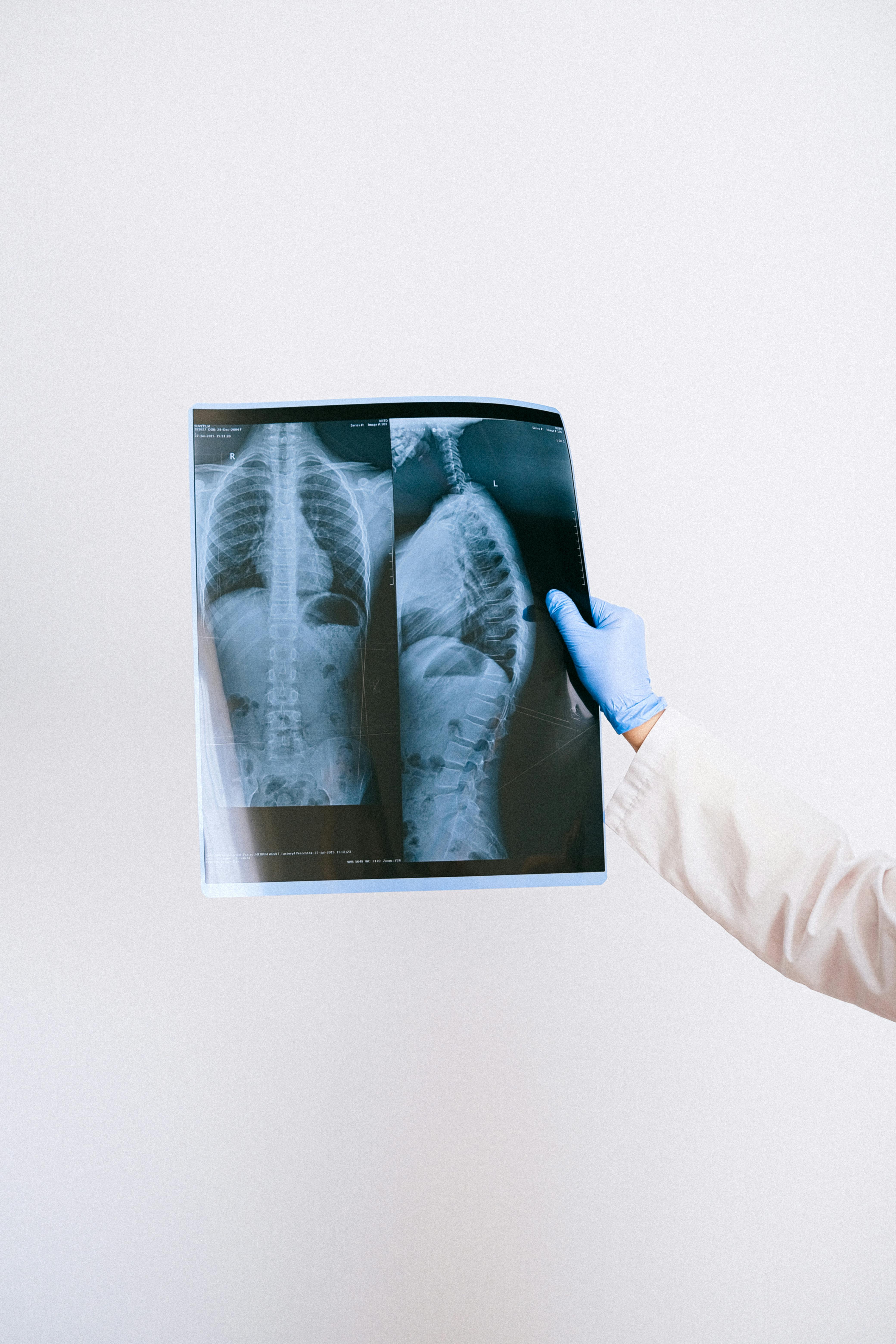
How Do I Choose the Right Mobile Radiology Service Near Me?
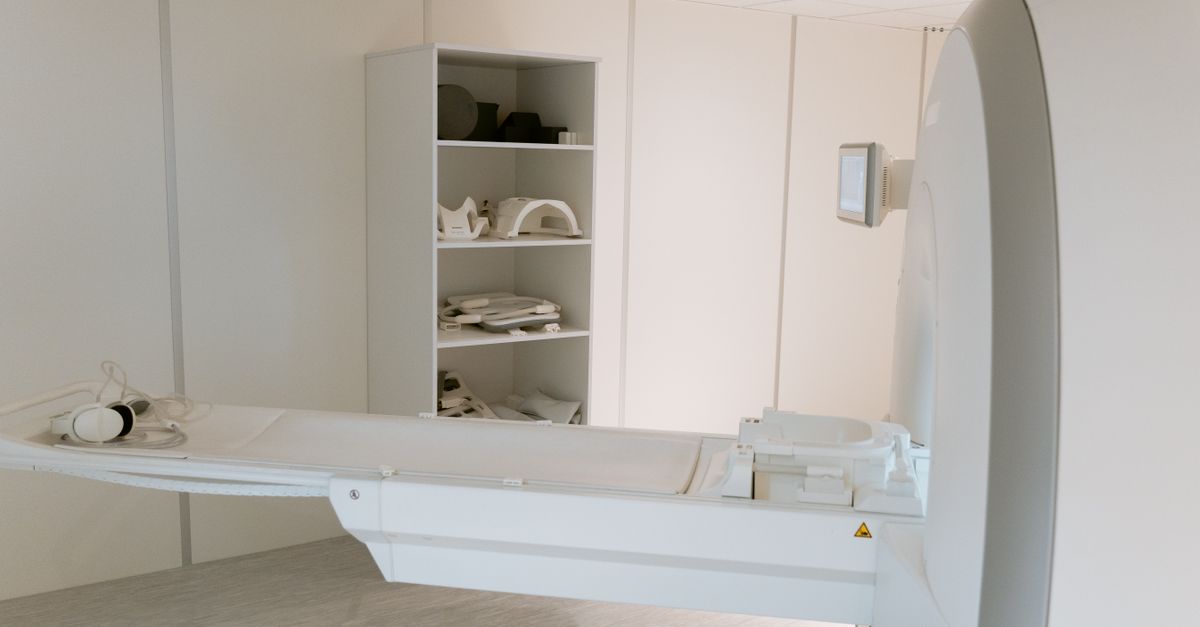
Mobile radiology has become a staple for clinics, senior care facilities, and emergency responders. With technology advancing and patient demand shifting toward convenient, on‑site imaging, I’ve spent the past year evaluating providers to help others make informed decisions. This listicle distills my findings into actionable criteria, cost considerations, and common pitfalls.
1. Define Your Diagnostic Needs
Before you even start searching for “mobile radiology near me,” clarify what exams your practice requires. Are you looking for full‑body X‑ray suites, portable CT scanners, or just basic chest X‑rays? The type of equipment determines the service’s mobility, power requirements, and staffing.
Think about the patient population you serve: a busy primary care office may need rapid chest and abdominal studies, while an orthopedic clinic might prioritize high‑resolution bone imaging. Also consider whether your setting will require quick turnaround for urgent cases or if longer processing times are acceptable for routine screenings.
Checklist: Core Diagnostic Services
- Portable digital radiography (PA/AP, lateral)
- Bone density scans for osteoporosis screening
- CT or MRI on wheels (for specialty centers)
- Ultrasound integration with mobile units
- On‑site lab sample handling (if needed)
If you’re a senior care facility, you’ll also need to consider the ability to transport patients safely and the availability of emergency protocols. A well‑defined list will help providers match their offerings to your exact workflow.
2. Evaluate Equipment Quality and Reliability
Equipment age can be a red flag. Older units may lack the compression force needed for clear images or fail to support modern DICOM standards, complicating integration with your electronic health record (EHR).
In my experience, a unit that has been refurbished twice often performs better than a brand‑new model that’s never seen field use.When inspecting the hardware, ask for recent maintenance logs and warranty status. Reliable mobile units should also feature ergonomic controls that allow technicians to adjust settings quickly in varied clinical environments.
Key Features to Inspect
- DICOM compliance and secure image transfer protocols
- High‑resolution detectors for fine detail (especially important in oncology)
- Battery backup or generator support for power outages
- Automatic exposure control to reduce radiation dose
- Software updates delivered remotely
3. Assess Staffing and Technical Support
Mobile radiology isn’t just about equipment; it’s also about the people who operate it. Your provider must offer certified technicians, on‑call support, and clear communication channels.
Key Takeaway: The most reliable mobile units are paired with experienced staff that can troubleshoot in real time.In addition to qualifications, observe how the team handles patient interaction. Friendly, patient‑centered communication reduces motion artifacts and improves image quality.
Staffing Criteria
- Board‑certified radiology technologists or equivalent experience
- Continuing education credits maintained annually
- 24/7 support hotline for urgent issues
- On‑site presence during peak hours (e.g., morning rounds)
- Clear escalation path for equipment failures
4. Verify Compliance with Healthcare Diagnostic Support Standards
Regulatory compliance is non‑negotiable. The provider must adhere to state and federal guidelines, including HIPAA, OSHA, and the Centers for Medicare & Medicaid Services (CMS) rules for mobile imaging.
When I reviewed a proposal, I found that an otherwise impressive unit failed because it didn’t meet CMS radiation safety standards.Beyond compliance documents, request evidence of recent audits. A provider that routinely invites external auditors demonstrates a proactive approach to safety and quality.
Compliance Checklist
- HIPAA‑compliant data encryption during transmission
- Regular radiation safety audits and certifications
- Accreditation from the American College of Radiology (ACR)
- State licensing for mobile medical devices
- Insurance coverage that includes liability and equipment loss
5. Compare Pricing Models and Value Propositions
Mobile radiology pricing varies widely. Some providers charge a flat fee per visit, others bill hourly or by the exam type. It’s essential to understand what you’re paying for.
I once negotiated a bundled rate that included equipment use, technician labor, and image delivery, which saved my clinic 12% over a year.When comparing quotes, be sure to factor in hidden costs such as travel beyond the agreed radius or after‑hours service. A seemingly cheaper provider may end up costing more if these add‑ons are frequent.
Pricing Factors
- Initial capital vs. rental agreements
- Per‑exam cost versus per‑day fee
- Included services: image transfer, report generation, data backup
- Discounts for multi‑site contracts or long‑term partnerships
- Hidden fees for travel beyond a certain radius or after hours
6. Test the Integration with Your Existing Systems
A mobile unit that can’t talk to your EHR is a waste of money. Ensure seamless data flow from acquisition to storage, and confirm that image quality meets your diagnostic standards.
During a pilot test, I discovered that one provider’s software had a lag time of 8 minutes for image upload—too long for urgent triage.Run a sample workflow: capture an image, transfer it to your PACS, and have the report generated. Pay close attention to authentication steps; any friction can disrupt clinical flow.
Integration Touchpoints
- DICOM compatibility with your PACS system
- Secure VPN or cloud connection for remote access
- Automated report export to EHR templates
- Audit trail logging for compliance purposes
- User authentication protocols aligned with HIPAA
7. Consider the Provider’s Track Record in Senior Care Radiology Services
If you serve an aging population, look for experience in geriatric imaging. Older patients often have mobility issues and higher radiation sensitivity.
I noted that providers who had worked with senior care facilities offered pre‑visit patient education modules, which reduced motion artifacts in images.Ask whether the provider has developed specialized protocols for fall risk assessment or hip fracture detection. These niche services can significantly improve patient outcomes and reduce readmission rates.
Senior Care Specifics
- Patient transport solutions (wheelchairs, lifts)
- Low‑dose protocols for elderly patients
- On‑site interpretation by radiologists familiar with geriatric pathology
- Coordination with nursing staff for post‑exam care
- Flexible scheduling to accommodate evening or weekend visits
8. Plan for Scalability and Future Expansion
Your clinic’s needs may grow—add more imaging modalities, expand to new locations, or integrate AI analytics. Choose a provider that can scale without major overhauls.
When my clinic upgraded from X‑ray to CT, the same mobile vendor seamlessly added a portable CT unit with minimal downtime.Consider whether the provider offers modular upgrades, such as adding an AI radiology assistant or expanding storage capacity. A flexible partnership can adapt to changing technology without renegotiating entire contracts.
Scalability Indicators
- Modular equipment architecture (add‑on modules for new tech)
- Service level agreements that allow rapid expansion
- Vendor support for software upgrades and AI integration
- Flexible staffing models to cover increased exam volume
- Clear roadmap for future regulatory changes
9. Review Testimonials, References, and Case Studies
Peer validation can reveal hidden strengths or weaknesses. Ask providers for case studies that match your practice size and patient demographics.
I reached out to three clinics that used the same mobile service; two reported a 20% reduction in readmission rates due to faster imaging turnaround.When evaluating references, ask about consistency of service across different sites. A provider with a strong reputation in varied environments demonstrates robustness and adaptability.
What to Look For
- Quantifiable outcomes (e.g., time saved, diagnostic accuracy)
- Long‑term partnership testimonials
- Evidence of compliance with industry standards
- Clear documentation of incident response times
- Independent reviews from professional associations
10. Conduct a Pilot Test Before Full Commitment
A trial run lets you evaluate real‑world performance, staff comfort, and workflow integration before signing a long‑term contract.
Our pilot lasted two weeks; the data we collected informed our final contract terms and helped negotiate better pricing for ongoing service.During the pilot, schedule diverse exam types and include both routine and urgent scenarios. Capture feedback from all stakeholders—technicians, clinicians, and administrative staff—to identify any friction points early.
Pilot Checklist
- Schedule at least 10 exams covering all modalities needed
- Measure image quality, upload time, and technician response
- Solicit feedback from clinical staff on workflow impact
- Document any incidents or delays for discussion with the provider
- Review cost per exam against projected annual volume
Conclusion: Making a Data‑Driven Decision
Choosing mobile radiology is less about chasing the newest gadget and more about aligning technology, staffing, compliance, and cost with your clinic’s specific needs. By following this structured evaluation—starting from diagnostic requirements to pilot testing—you can ensure that the service you select delivers reliable imaging, protects patient data, and scales with your practice.
When you return to your list of potential providers, create a scoring matrix that weighs each criterion according to its importance for your setting. This quantitative approach reduces bias and makes it easier to compare otherwise similar offers. Don’t hesitate to ask for additional demonstrations or to revisit the pilot if new questions arise after the initial trial period.
Ultimately, the right mobile radiology partner will become an extension of your care team, offering seamless imaging solutions that enhance patient experience and clinical outcomes. Take the time to assess each element thoroughly—your patients and your practice will thank you for it.
What factors have proven most critical for you when selecting a mobile radiology partner?Frequently Asked Questions
Browse answers to common questions about our services.