How do mobile radiology scanners affect Accessible radiology services in Glendale, CA?
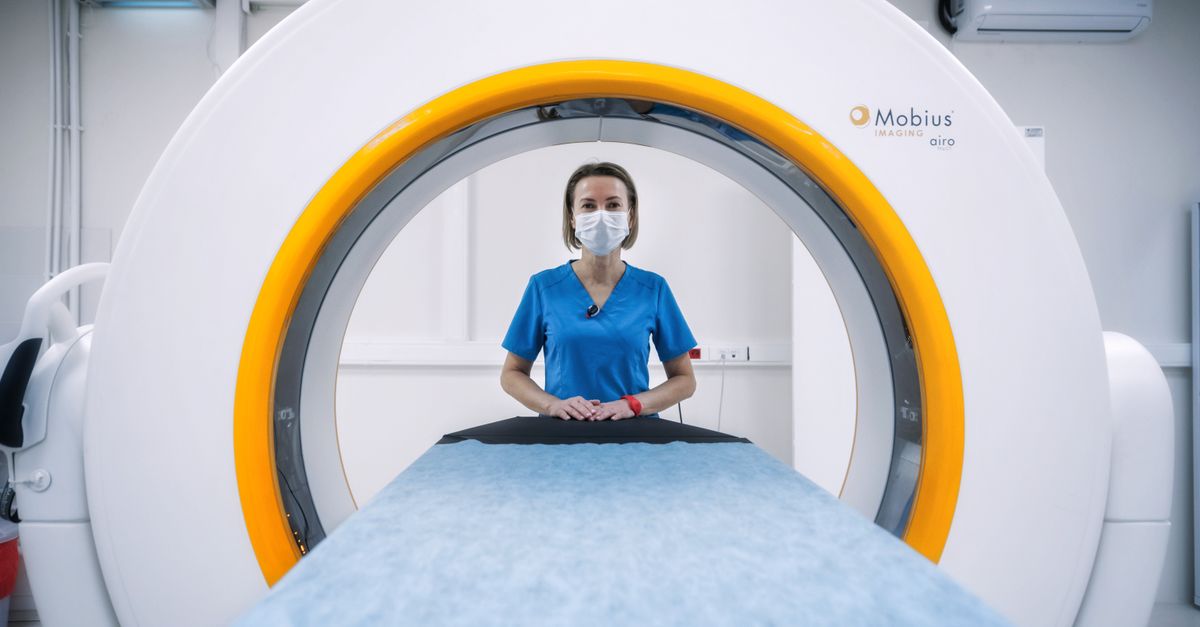
When patients in Glendale face barriers to traditional imaging—long travel times, limited clinic hours, or mobility issues—the rise of mobile digital X‑ray has become a game changer. In this piece I break down the cost and quality trade‑offs that matter when you’re choosing a mobile radiology partner for accessible care.
Why Mobile Radiology Scanning Matters for Accessibility
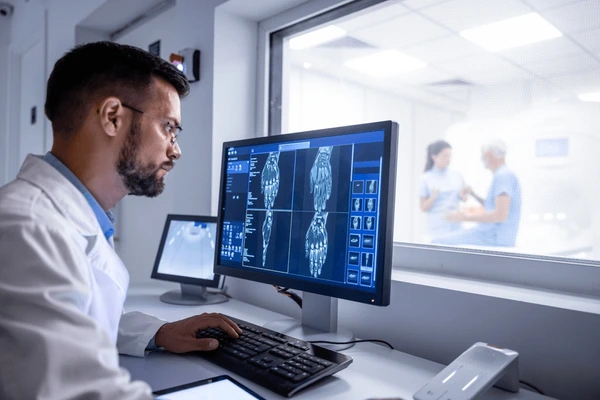
Mobile scanners bring the imaging suite to the patient’s doorstep, whether it’s an elderly resident’s home, a nursing facility, or an underserved neighborhood clinic. This shift reduces logistical hurdles and often speeds up diagnostic turnaround. For clinicians, having high‑resolution images on demand can improve treatment plans without waiting for a scheduled appointment.
Beyond convenience, mobile imaging supports public health initiatives by extending reach to populations that traditionally miss routine check‑ups. In Glendale, where the mix of urban density and suburban sprawl creates pockets of isolation, these services help close gaps in preventive care. For example, a senior living community on the western edge of town can now receive chest X‑rays without the residents having to travel to downtown hospitals.
Key benefits of mobile radiology for accessibility
- On‑site convenience: Eliminates travel time for patients with limited mobility.
- Flexible scheduling: 24/7 availability to accommodate urgent needs.
- Reduced wait times: Immediate image capture often leads to faster diagnosis.
- Cost‑effective outreach: Lower overhead than building a dedicated clinic in every neighborhood.
- Improved patient compliance: Familiar surroundings can ease anxiety associated with medical imaging.
Cost Factors When Hiring Mobile Radiology Services in Glendale, CA
The price of a mobile scan is influenced by more than just the equipment fee. Understanding each component helps you compare quotes and avoid hidden charges.
Typical cost drivers include:
Common cost components for mobile imaging
- Equipment rental or purchase: A high‑resolution portable X‑ray unit can range from $2,000 to $5,000 per day.
- Radiographer labor: Certified technicians charge hourly rates that vary by experience and region.
- Travel expenses: Fuel, mileage, and parking fees add up, especially for long distances across Glendale’s varied terrain. For instance, a round‑trip from North Glendale to the southern suburbs might exceed 15 miles, translating into roughly $10–$12 in fuel costs alone.
- Insurance & liability: Providers often carry additional premiums to cover potential mishaps during on‑site scans.
- Data handling & storage: Secure transmission of images to PACS systems incurs bandwidth and cybersecurity costs.
When budgeting, factor in a 10–15% contingency for unforeseen travel or equipment downtime. In my experience, providers who provide transparent line‑item estimates build trust faster than those with lump sums.
Quality Assurance and Regulatory Standards
Mobile imaging must meet the same safety and diagnostic standards as stationary units. Providers typically adhere to state regulations, industry certifications, and quality control protocols.
Key compliance areas include:
Standards that mobile radiology teams uphold
- Radiation dose limits: Adherence to ALARA (As Low As Reasonably Achievable) guidelines protects patients.
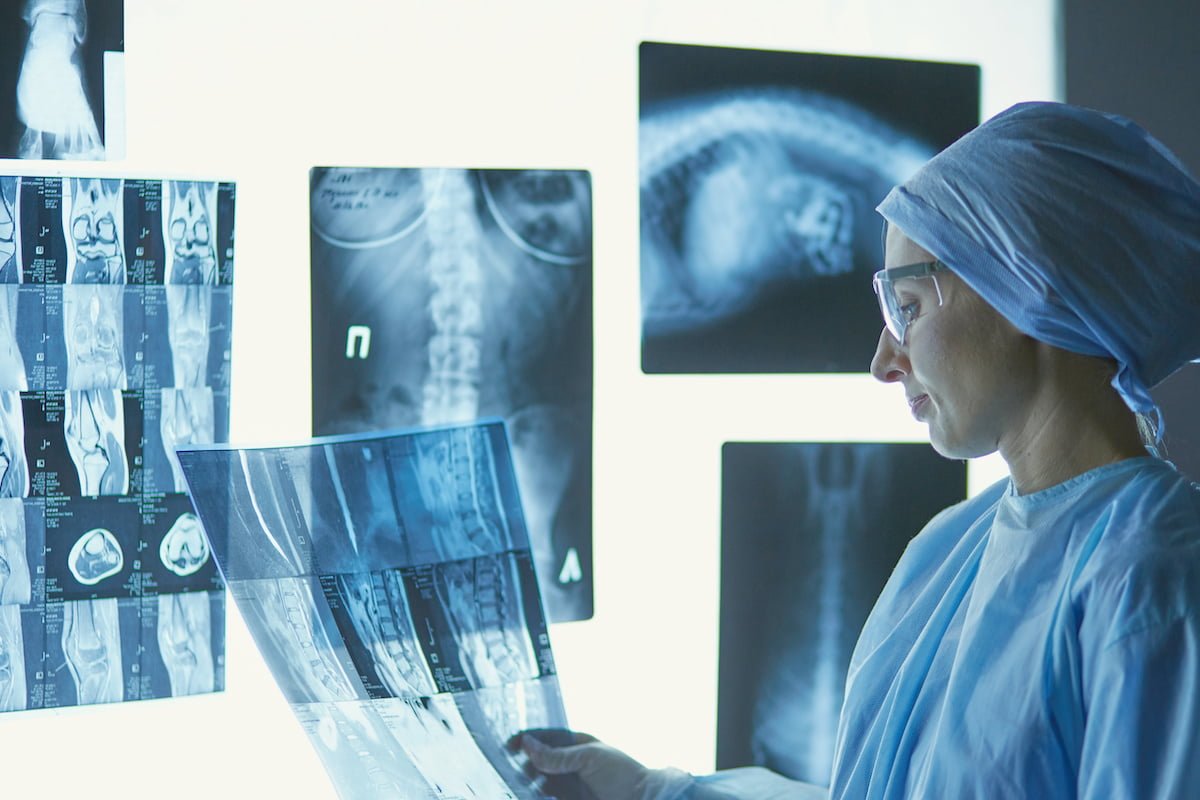
- Image quality assurance: Daily calibration checks and periodic phantom tests ensure diagnostic fidelity. A typical practice is to run a low‑dose phantom scan before each patient visit, confirming that the image contrast remains within acceptable thresholds.
- HIPAA compliance: Secure handling of protected health information during transmission.
- Accreditation: Many mobile units hold certifications from the American College of Radiology (ACR).
- Staff credentials: Technicians must be board‑certified or state‑licensed.
A provider’s track record in these areas signals reliability. Ask for recent audit reports and patient satisfaction scores before signing a contract.
Comparing Traditional Facility‑Based X‑Ray vs Mobile Scanning for Patients in Glendale
The decision often hinges on patient demographics and clinical urgency. Below is a concise comparison that highlights where each model shines.
- Turnaround time: Mobile imaging can deliver results within hours; facility scans may take days due to appointment queues.
- Accessibility: Homes, nursing homes, or remote clinics gain immediate access; traditional sites require travel.
- Cost per visit: Facility fees (room rental, staff) average $150–$250; mobile services range $200–$350 but include travel and equipment.
- Radiation safety: Both models meet dose limits; mobile units must maintain calibration while on the move.
- Patient comfort: Familiar surroundings reduce anxiety, especially for children or frail elders.
In Glendale’s mixed urban‑suburban landscape, a hybrid model—using both facility and mobile services—often delivers optimal coverage. For instance, routine follow‑ups can be scheduled at the hospital, while emergent scans are handled on site by a mobile team.
Practical Steps to Choose a Mobile Radiology Provider
Selecting the right partner involves more than price tags. Follow these steps to ensure you get quality care aligned with local needs.
Checklist for evaluating mobile radiology companies
- Verify state licensing and ACR accreditation.
- Request annual radiation dose reports and image quality logs.
- Confirm HIPAA compliance procedures for data transmission.
- Ask for client references from Glendale-based facilities.
- Check the equipment maintenance schedule—regular servicing reduces downtime.
- Review the contract terms, including cancellation policies and travel allowances.
- Ensure compatibility with local electronic health record (EHR) systems so images can be uploaded directly to patient charts without manual intervention.
In my experience, providers that offer a free pilot scan often demonstrate confidence in their service quality. Use this trial to assess image clarity, technician professionalism, and logistical coordination.
Common Mistakes and How to Avoid Them
Even well‑intentioned plans can falter if overlooked details slip through. Here are frequent pitfalls and quick fixes.
Top errors patients and providers make
- Underestimating travel logistics: Failing to account for traffic, parking, or road closures leads to delays.
- Ignoring radiation safety oversight: Skipping dose audits increases patient exposure risk.
- Lack of clear communication: Not sharing scheduling protocols can confuse staff and patients.
- Overreliance on a single vendor: Diversifying providers mitigates equipment downtime risks.
- Assuming mobile equals cheaper: Hidden costs (insurance, data security) can erode savings.
Proactively address these by setting up standard operating procedures and maintaining an open line with your provider’s technical support team. Documenting SOPs in a shared digital workspace ensures every staff member knows the exact steps for pre‑scan preparation, image transfer, and post‑scan follow‑up.
Local Solutions for Accessible Radiology Services in Glendale
For those ready to integrate mobile scanning into their care continuum, the next step is to connect with a vetted provider. Many companies offer customizable packages tailored to Glendale’s unique demographic profile.
One approach is partnering with local community health centers that already have patient outreach programs. By aligning mobile imaging schedules with existing wellness visits, providers can maximize efficiency and reduce duplication of effort.
What challenges have you faced when trying to make imaging more accessible for your patients?Frequently Asked Questions
Browse answers to common questions about our services.