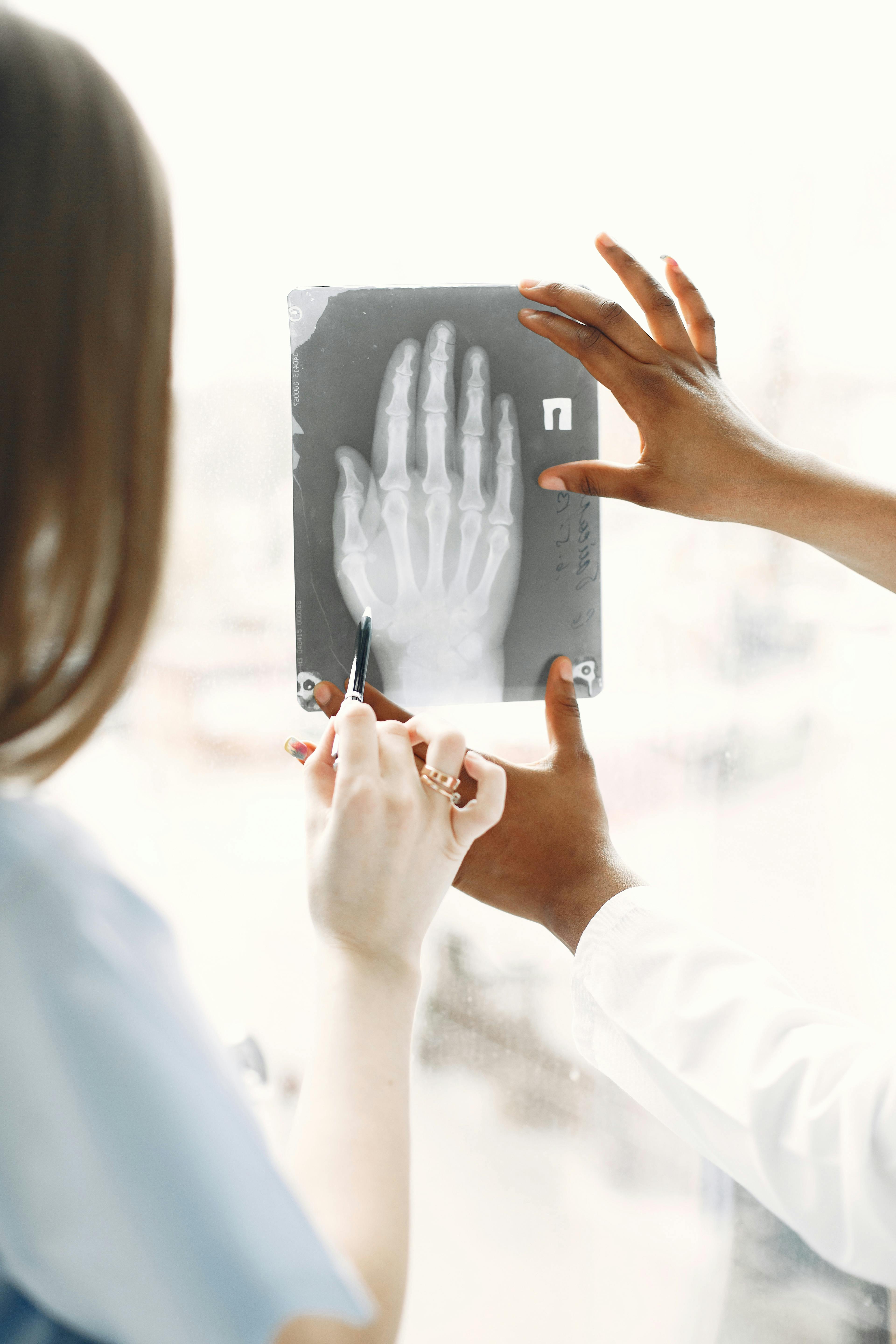
How does portable diagnostic imaging improve long‑term care for nursing home residents?
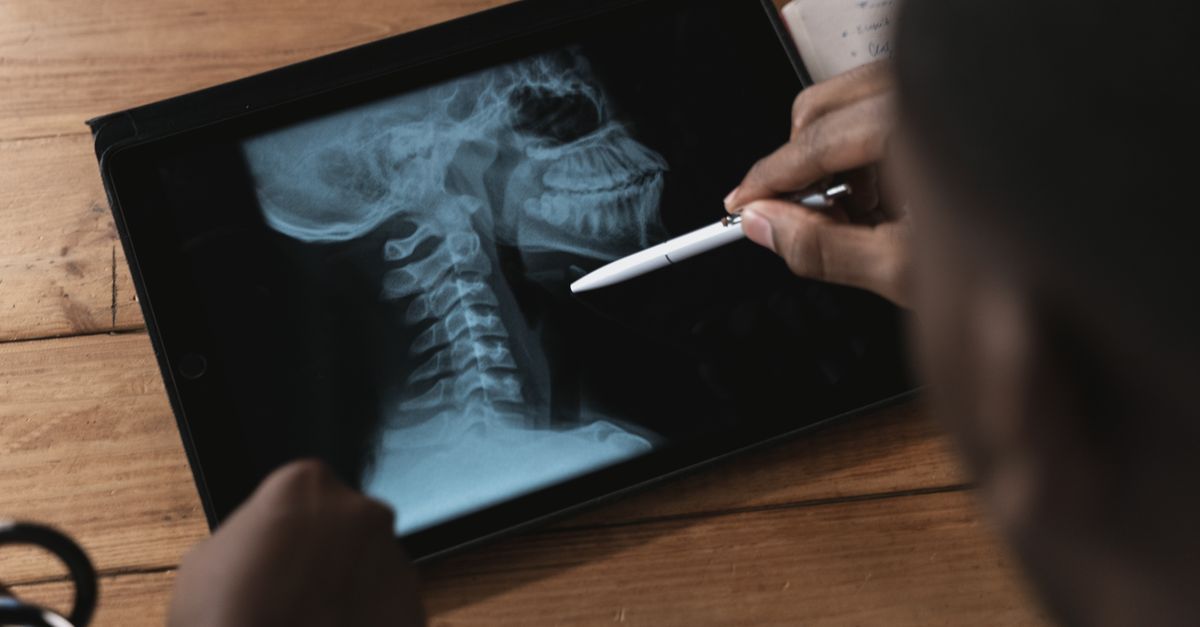
When a resident in a nursing home develops a sudden cough or falls and may have an internal injury, the speed of diagnosis can affect outcomes dramatically. Portable diagnostic imaging—specifically mobile digital X‑ray systems—has become an essential tool for long‑term care imaging. In this article I’ll break down why these devices matter, how they work, what to consider when adopting them, and real-world tips that can help your facility deliver accurate imaging services without breaking the bank.
1. What is Portable Diagnostic Imaging?
Portable diagnostic imaging refers to equipment that provides high‑quality radiographic images while being moved from room to room or even outside a building. Unlike traditional stationary X‑ray labs, mobile units come with lightweight detectors, compact power supplies, and integrated software that allows technicians to capture and review images on the spot.
In long‑term care settings, such systems replace the need for transporting frail residents to distant hospitals—a process that can be risky and costly. By bringing the X‑ray into the room, we preserve patient comfort, reduce infection risk, and accelerate clinical decision‑making.
Key Features of Modern Mobile Digital X‑rays
- Low‑dose radiation protocols tailored for elderly patients
- Wireless image transfer to EMR systems in real time
- Built‑in diagnostic software for immediate assessment
- Compact footprint that fits standard nursing home corridors
- Battery‑backed power options for off‑site use
The technology has evolved from bulky machines to sleek, user‑friendly units. Today’s mobile digital X‑ray systems can produce images of comparable quality to stationary labs while being more flexible and cost‑effective.
Key Takeaway: Portable imaging turns a long‑term care facility into its own diagnostic hub, reducing transport risks and saving time.
2. How Mobile X‑ray Improves Patient Outcomes
Speed is critical in diagnosing fractures, pneumonia, or other acute conditions. In my experience, a resident who receives an on‑site X‑ray can often avoid the wait for an ambulance and overnight transfer to a hospital. The result: faster treatment, fewer complications, and lower readmission rates.
Beyond speed, accuracy matters. Mobile digital X‑rays use advanced detectors that provide high contrast resolution even with minimal radiation exposure—essential when imaging elderly patients whose tissues are more sensitive.
Long‑term care imaging also benefits from consistent image quality across different rooms and times of day. Since the same technician uses the same machine, variability is minimized compared to sending specimens out for external labs.
3. Types of Mobile Digital X‑ray Systems
There are two main categories: dedicated portable units and mobile radiography carts that can be configured with different detectors.
A. Dedicated Portable Units
- Single detector, fixed geometry
- Ideal for routine chest or limb imaging
- Typically weighs 50–80 lbs
B. Configurable Mobile Carts
- Multiple interchangeable detectors (e.g., flat‑panel, film‑based)
- Customizable shielding and power options
- Can handle complex imaging like CT‑like scans via advanced algorithms
The choice depends on your facility’s workflow. If most imaging needs are basic, a dedicated unit will suffice. For facilities that require more versatility—such as imaging multiple body parts or performing advanced reconstructions—a configurable cart may be worth the investment.
4. Implementation Checklist: From Decision to Deployment
Adopting mobile digital X‑ray isn’t just buying a machine; it’s a system change that involves people, processes, and technology integration.
A. Assess Clinical Needs
- How many residents require imaging per month?
- What types of conditions are most common (fractures, respiratory, abdominal)?
- Do you need 24/7 coverage or can you schedule shifts?
B. Budgeting and ROI
- Initial purchase price vs. leasing options
- Maintenance contracts and software updates
- Potential savings from avoided transfers, reduced readmissions, and improved billing for services rendered on site
C. Staffing and Training
You’ll need a technician trained in radiation safety and machine operation. In my experience, cross‑training nurses to handle basic positioning can streamline workflow, but they still need oversight from a certified radiographer.
D. Integration with Electronic Health Records (EHR)
- Ensure the device supports DICOM standards
- Set up secure wireless or wired transfer protocols
- Create templates for quick reporting to clinicians
5. Ensuring Accurate Imaging Services
The promise of mobile digital X‑ray is accurate, high‑quality images. However, several factors can compromise image fidelity if not managed properly.
A. Radiation Dose Management
- Use automatic exposure control (AEC) settings tailored for older adults
- Adhere to the ALARA principle—As Low As Reasonably Achievable
B. Image Quality Checks
- Daily phantom tests to verify detector performance
- Monthly calibration with reference standards
- Quarterly review of image metrics (contrast, noise, sharpness)
C. Documentation and Reporting
Integrate AI‑assisted triage tools that flag potential fractures or lung infiltrates before the radiologist reviews the image. This speeds diagnosis while maintaining accuracy.
6. Common Pitfalls and How to Avoid Them
Even with a great system, mistakes happen. Here are the most frequent errors I’ve seen in long‑term care imaging deployments.
- Underutilization: Staff forget to bring the unit into rooms because of habit or lack of awareness. Solution: set up reminder alerts in your scheduling software.
- Inconsistent Protocols: Different technicians use varied exposure settings, leading to variable image quality. Solution: develop a standardized protocol manual and enforce it through regular audits.
- Neglecting Shielding: Portable units often lack the robust lead shielding of stationary labs, increasing staff radiation exposure if not positioned correctly. Solution: train staff on proper positioning and use mobile lead curtains when necessary.
7. Real‑World Example: A Mid‑Size Nursing Home’s Transition
A 120‑bed facility in Colorado invested in a dual‑detector mobile cart with built‑in AI triage. Within six months, they reduced their average imaging turnaround from 3 hours to under 45 minutes.
Key outcomes:
- Readmission rates dropped by 12% for fracture cases
- Annual savings of $75,000 on transport costs and emergency services
- Positive feedback from families citing improved care transparency
This case illustrates that the upfront cost is offset quickly through operational efficiencies and better patient outcomes.
8. Future Trends in Long‑Term Care Imaging
The field is evolving rapidly, driven by AI, 3D imaging, and even cloud‑based collaboration. Here’s what to watch for:
- AI‑Driven Workflow Optimization: Algorithms that predict which patients need urgent imaging and prioritize scheduling.
- Edge Computing: On‑board processing reduces reliance on network bandwidth—critical in remote or rural facilities.
- Hybrid Imaging: Combining portable X‑ray with ultrasound for comprehensive diagnostics.
- Remote Consultation Platforms: Specialists can review images from anywhere, reducing the need for on-site radiologists.
Staying informed about these trends allows facilities to plan future upgrades and avoid obsolescence.
Conclusion
Portable diagnostic imaging has moved beyond a convenience; it’s a strategic asset that can transform long‑term care. By investing in mobile digital X‑ray systems, nursing homes can deliver faster, more accurate imaging services, reduce transport risks, and improve overall patient outcomes.
If your facility is considering this shift, start with a clear needs assessment, align the technology to those needs, and build robust training and quality assurance processes. The result will be a resilient imaging capability that supports residents’ health while keeping costs under control.
What challenges have you encountered when integrating mobile X‑ray services into your care facility, and how did you address them?Frequently Asked Questions
Browse answers to common questions about our services.