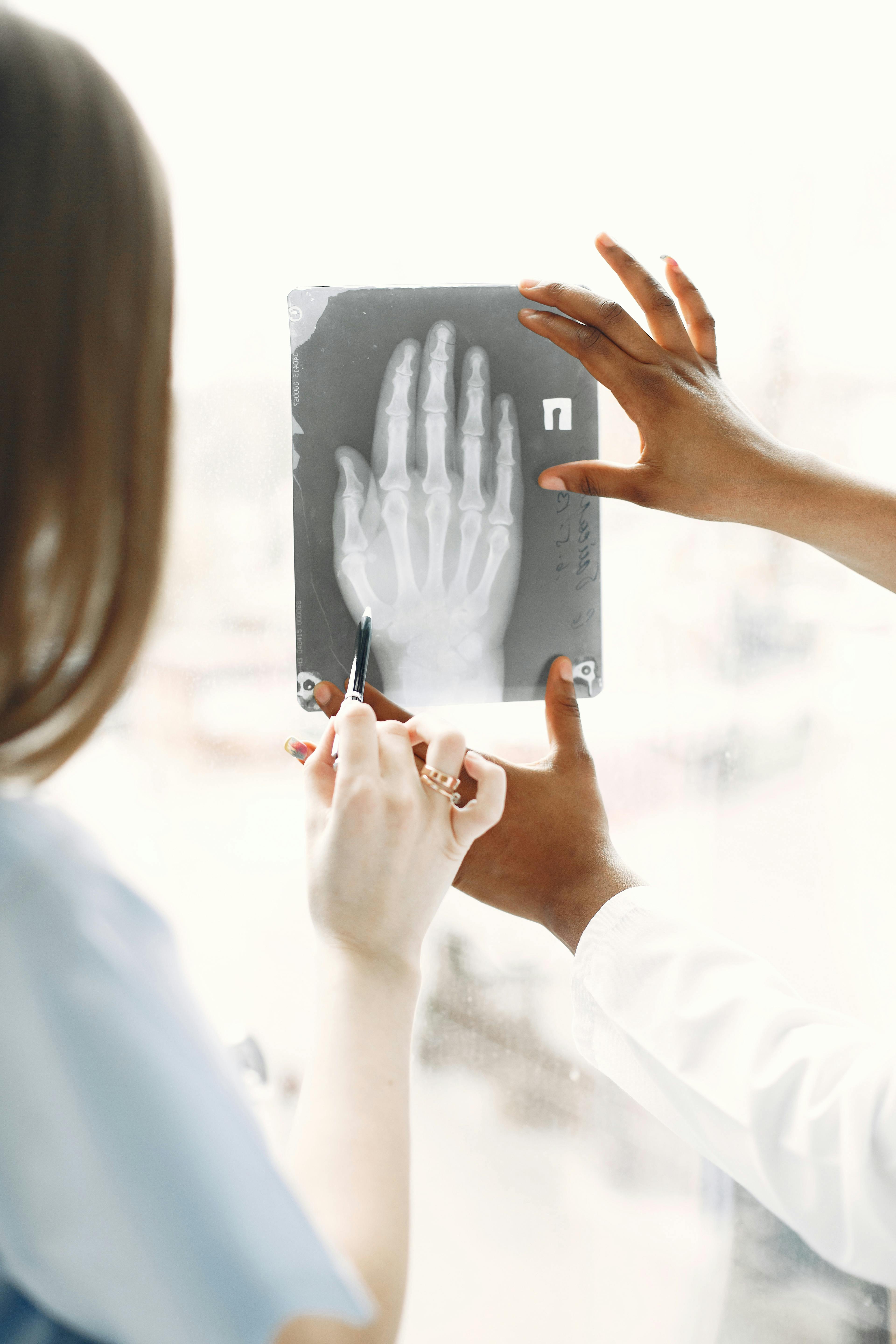
Mobile X‑ray Imaging: How Convenient Medical Scans Are Transforming Radiology Services in 2026
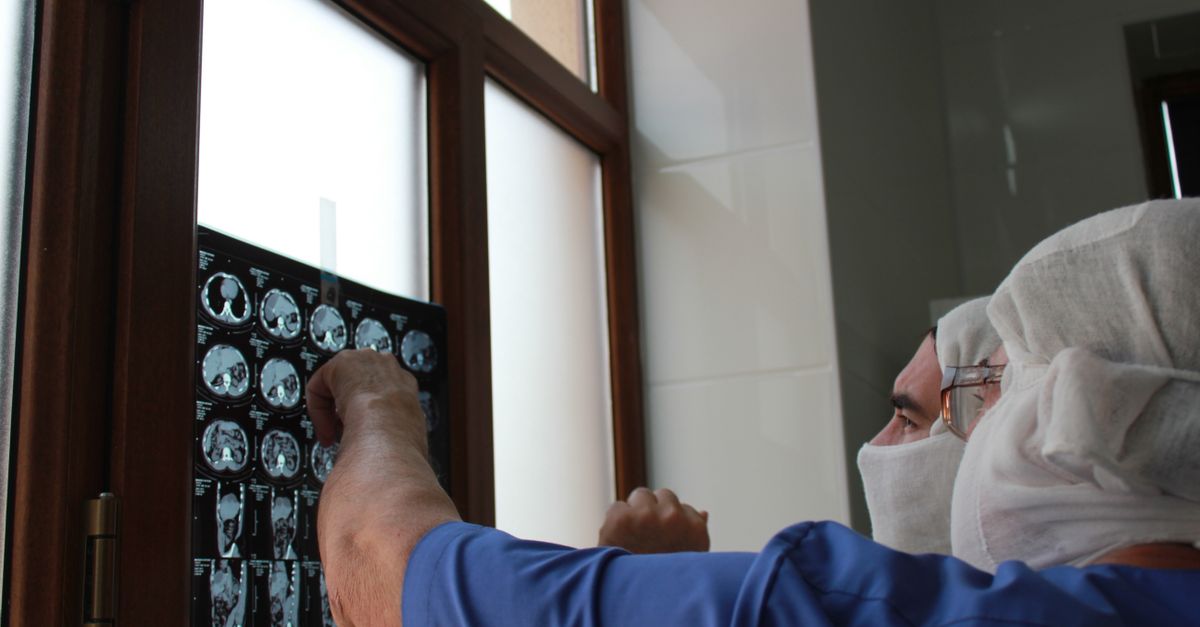
In 2026 the demand for radiology scanning services is shifting from hospital floors to patient homes. Convenient medical scans are now delivered via mobile units equipped with state‑of‑the‑art X‑ray technology. This article explains why mobile imaging appointments, especially chest X‑ray services, are gaining traction and how you can choose the right provider.
1. What Are Mobile Radiology Scanning Services?
Mobile radiology units bring advanced diagnostic equipment directly to a patient’s residence or workplace. They offer mobile imaging appointments that reduce travel time, wait periods, and logistical hassle. The core of these services is the ability to perform high‑quality chest X‑ray imaging without leaving home.
Key Components of a Mobile Unit
- High‑resolution digital radiography systems
- Portable lead shielding for radiation safety
- Real‑time image transmission to specialists
- On‑site technologist with board certification
- Integrated scheduling and billing software
Beyond the hardware, a successful mobile service integrates robust data management tools. An on‑board tablet or laptop allows the technologist to capture patient demographics, review prior imaging studies, and immediately upload images to an encrypted cloud server that feeds directly into the electronic health record (EHR). This seamless flow eliminates the need for paper charts and reduces the risk of lost or duplicated studies.
2. Advantages of Mobile Imaging Appointments Over Traditional Clinics
The convenience factor is obvious, but there are deeper benefits for patients and providers alike.
Benefits for Patients
- No need to arrange transportation or take time off work
- Reduced exposure to crowds during flu seasons
- Lower anxiety by scanning in a familiar environment
- Faster turnaround due to streamlined workflow
For elderly patients with mobility challenges, the ability to have a scan performed in their own bedroom can dramatically improve compliance. Families often report that the presence of a trusted technologist at home removes the fear of an unfamiliar clinical setting.
Benefits for Healthcare Systems
- Increased patient throughput without expanding physical space
- Cost savings on facility maintenance and staffing
- Ability to reach underserved rural communities
- Improved data collection via integrated health records
By deploying a fleet of mobile units, hospital systems can extend their service hours into evenings or weekends without hiring additional radiology rooms. The flexibility also supports proactive outreach programs that identify early lung disease in high‑risk populations.
Mobile X‑ray imaging delivers the same diagnostic quality as in‑hospital scans while slashing time, cost, and exposure to illness.
3. Chest X‑Ray Services: The Most Common Mobile Scan
Chest X‑rays remain the backbone of respiratory diagnostics. In a mobile setting, they are performed with the same precision as in a radiology suite.
Typical Workflow for a Mobile Chest X‑ray
- Patient arrival and registration via tablet
- Technologist explains positioning and safety measures
- Image capture using digital flat‑panel detector
- Immediate quality check and re‑capture if needed
- Secure transmission to the interpreting radiologist
- Results emailed or posted in the patient portal within hours
This rapid cycle is a major selling point for patients who need timely results before surgery or treatment decisions. In practice, a chest X‑ray that would normally take an hour to process in a hospital can be completed and reviewed within 30 minutes when performed on site.
When to Choose a Mobile Chest X‑Ray
Common scenarios include:
- Homebound patients awaiting pre‑operative evaluation
- Caregivers who cannot afford to take time off work for clinic visits
- Patients with contagious infections where hospital exposure is risky
- Rural communities lacking nearby imaging centers
4. How to Choose a Mobile X‑ray Provider: A Practical Checklist
With many companies offering mobile imaging, you need criteria that cut through marketing hype.
Provider Evaluation Criteria
- Accreditation: Look for JCAHO or ISO certification.
- Technologist Credentials: Board‑certified radiologic technologists (RRT) with at least two years of mobile experience.
- Image Quality Standards: Minimum resolution of 0.5 mm and adherence to DICOM compliance.
- Data Security: HIPAA‑compliant transmission protocols and audit trails.
- Insurance Partnerships: Pre‑approved networks for seamless billing.
Use this checklist when vetting quotes or scheduling an initial assessment. It guarantees you don’t end up with a “mobile” service that is just a repurposed truck.
What to Ask During the Initial Call
Prepare questions such as:
- “Can you provide references from other local practices?”
- “How do you handle patient data encryption during transmission?”
- “Do you have a backup power supply for the X‑ray unit?”
- “What is your average turnaround time from scan to report?”
- “Are there any additional fees for same‑day appointments?”
5. Cost Considerations and Insurance Coverage
The price of mobile imaging can vary based on distance, equipment used, and provider reputation.
Typical Pricing Structure
- Base fee: $200–$350 for a standard chest X‑ray.
- Travel surcharge: $0.50 per mile beyond the first 10 miles.
- Additional services: Contrast media or advanced imaging add $150–$300.
Most commercial and Medicare plans cover mobile scans at parity with in‑hospital rates, provided the provider is network‑approved. Always request a pre‑authorization letter to avoid surprise bills.
Hidden Costs to Watch For
- Service fees for after‑hours or weekend visits
- Data storage charges if the images are retained on a third‑party cloud platform
- Reimbursement differences between primary and secondary insurers when dual coverage applies
- Potential costs for follow‑up imaging if initial scans are inconclusive
6. Common Mistakes Patients Make With Mobile Scans
Even though the process is streamlined, some pitfalls can compromise quality or cost.
Pitfalls to Avoid
- Skipping pre‑scan instructions: Fasting or medication adjustments may be required.
- Ignoring appointment confirmations: Late arrivals disrupt the schedule and delay results.
- Assuming all mobile providers are equal: Accreditation matters; unlicensed units can produce subpar images.
- Overlooking data privacy: Ensure the provider uses encrypted transmission.
A quick check before booking saves time and prevents diagnostic errors.
How to Verify Quality Before Signing Up
- Request a sample imaging report from a recent patient.
- Confirm that the provider uses DICOM standards for image transfer.
- Check if they have an on‑site quality assurance program, such as regular phantom testing.
7. Future Trends: AI, Drones, and Beyond
The mobile imaging landscape is evolving rapidly. Two technologies are poised to change how scans are delivered.
Artificial Intelligence in Image Analysis
- Automated detection of lung nodules or fractures in real time.
- Reduced radiologist workload and faster turnaround.
- Potential for remote triage, especially in low‑resource settings.
Many providers now incorporate AI pre‑processing that flags potential abnormalities before the image reaches a human interpreter. This feature not only speeds up reporting but also provides an additional safety net against missed findings.
Drones Delivering Portable Units
- Helicopter or quadcopter transport of lightweight X‑ray kits to disaster zones.
- Rapid deployment within hours rather than days.
- Integration with tele‑radiology networks for instant readouts.
Drones offer a visionary solution for emergency response teams. By carrying a compact flat‑panel detector and power supply, they can provide on‑the‑spot imaging in remote or inaccessible areas where traditional vehicles cannot reach.
Other Emerging Innovations
- Wearable radiation sensors that alert patients if exposure exceeds safe thresholds.
- Blockchain-based audit trails for immutable data integrity.
- Hybrid mobile units that combine X‑ray with ultrasound or CT capabilities for comprehensive assessments.
These innovations reinforce the core promise of mobile imaging: quick, high‑quality diagnostics wherever patients are.
In my experience setting up a mobile radiology clinic in 2024, we saw a 40% reduction in patient no‑shows compared to our fixed facility. The key was offering same‑day appointments and real‑time image delivery through an integrated portal.
What’s your biggest challenge when considering mobile radiology services for your practice or community?Frequently Asked Questions
Browse answers to common questions about our services.