Orthopedic Imaging Services in Omaha, NE: A Guide to Mobile Radiology Scanning
As someone deeply involved in entrepreneurship and technology, the importance of efficient and effective medical services, like orthopedic imaging, cannot be overstated. In Omaha, NE, advancements in mobile radiology scanning have revolutionized how we approach orthopedic healthcare. This article will delve into the critical aspects of mobile radiology scanning for orthopedic imaging services in Omaha, helping you understand its benefits, considerations, and how to select the right provider.
Understanding Orthopedic Imaging Services
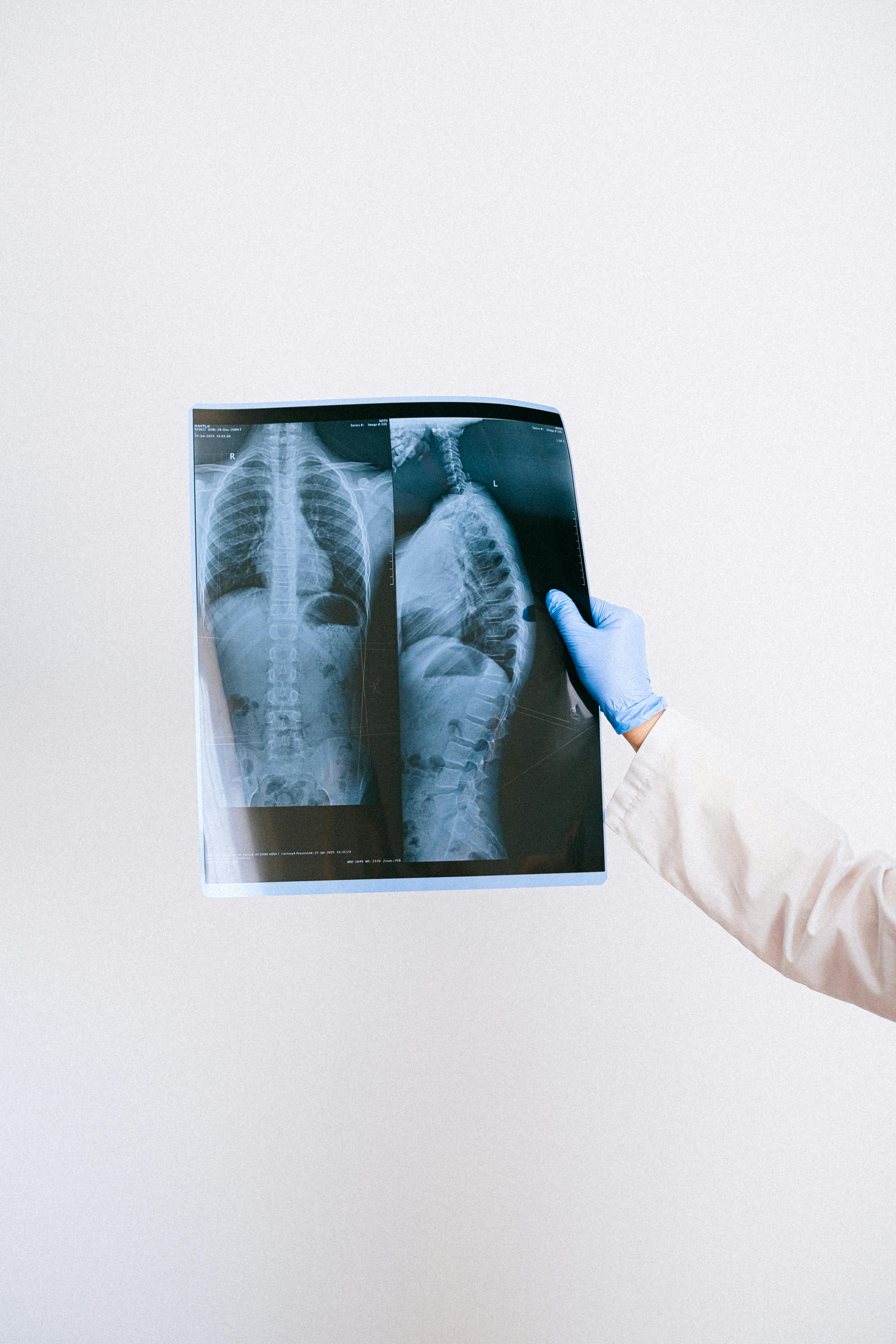
Orthopedic imaging is pivotal in diagnosing and managing conditions related to bones, joints, and associated soft tissues. Techniques such as X-rays, MRI, and CT scans are commonly employed to get detailed images of the musculoskeletal system. The advent of mobile digital X-ray technology has notably enhanced the convenience and speed of these services.
Mobile radiology services bring diagnostic tools directly to patients, whether at home or in specialized facilities like assisted living centers. This is particularly beneficial for patients with mobility issues or those in urgent need of orthopedic assessments.
Key Benefits of Mobile Orthopedic Imaging Services
- Enhanced accessibility for immobile patients
- Quicker diagnosis and treatment initiation
- Reduced necessity for hospital visits
- High-quality digital imaging
- Integration with health records for seamless communication
Given these advantages, it's clear why mobile radiology scanning is becoming a preferred choice in cities like Omaha.
Choosing the Right Mobile Radiology Provider in Omaha
Selecting a mobile radiology service requires careful consideration of several factors to ensure high-quality and reliable imaging. This is crucial not just for accurate diagnosis but also for the comfort and safety of the patient.
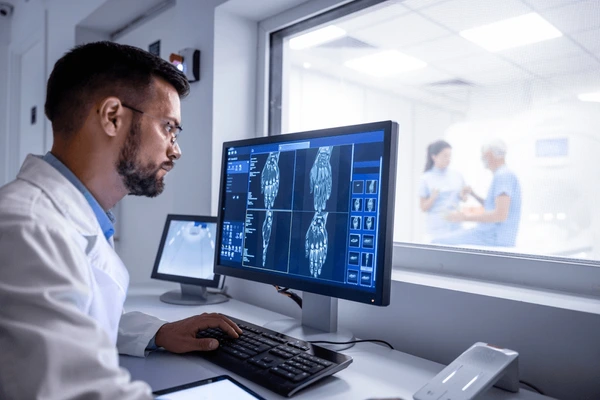
Firstly, verify the credentials and certifications of the radiology service provider. They should comply with all local health regulations and standards. Additionally, consider the technology they use. Modern digital X-ray and MRI machines provide clearer images and are typically faster, which enhances the overall patient experience.
Factors to Consider When Choosing a Provider
- Accreditation and licensing credentials
- Type and age of imaging technology used
- Expertise and experience of the radiological technicians
- Privacy and security protocols for patient data
- Feedback and reviews from previous users in Omaha
By considering these factors, you can ensure that you choose a reliable and efficient provider for your orthopedic imaging needs.
Integrating Orthopedic Imaging in Assisted Living and Healthcare Facilities
In my experience, integrating mobile radiology services into environments like assisted living facilities significantly enhances the standard of care provided to residents. It not only aids in timely and accurate diagnosis but also minimizes the disruption caused by off-site hospital visits.
Facilities equipped with mobile imaging services can perform crucial diagnostics on-site, which is especially beneficial for orthopedic emergencies or routine checks for elderly residents prone to falls and bone injuries.
Steps for Integration
- Assess the specific needs of the facility’s residents
- Choose a provider with flexible scheduling
- Ensure the mobile unit has minimal impact on the facility's daily operations
- Train staff on the basics of the imaging technology for better coordination
- Set up a streamlined process for image analysis and reporting
Proper integration facilitates a seamless workflow that benefits both healthcare providers and patients, ensuring that residents receive the best care promptly.
Comparing Mobile and Traditional Radiology Services
While traditional in-hospital radiology services are well-established, mobile radiology offers distinct advantages that cater to the evolving needs of today's healthcare landscape, especially in orthopedics. Mobile units not only provide flexibility and reduce patient stress but also lower the risk of hospital-acquired infections—a significant consideration in today's world.
However, it's essential to recognize situations where traditional radiology might still be preferable, such as in complex cases requiring advanced imaging equipment only available in a hospital setting.
Mobile vs. Traditional Radiology: A Quick Comparison
- Mobile radiology: Best for accessibility, convenience, and preventive screenings
- Traditional radiology: Suitable for complex diagnostic needs requiring specialized equipment
Understanding these differences can help make an informed decision about which service to use based on specific health needs.
Final Thoughts and Recommendations
Mobile radiology scanning for orthopedic imaging services in Omaha, NE, represents a significant leap forward in medical diagnostics. For those considering this service, it's crucial to choose providers who not only have the latest technology but also a proven track record of professional expertise and patient care.
Whether for yourself, a family member, or a healthcare facility, taking the time to assess and compare available services will ensure that you receive top-notch medical attention—efficiently and comfortably.
Do you think mobile radiology services will become the new standard for diagnostic imaging? Why or why not?Frequently Asked Questions
Browse answers to common questions about our services.