Top Advances in Mobile Digital X-ray Technology for Hospice Care Imaging
As an entrepreneur deeply involved in technology and health care sectors, I've witnessed first-hand the transformative impact of mobile digital X-ray technology, especially in hospice care settings. This article delves into how these advancements not only enhance patient comfort but also streamline the operational efficiency for healthcare providers. We'll explore the roles of certified imaging technicians and the value of on-site X-ray scanning, focusing on practical benefits and considerations.
Understanding Mobile Digital X-ray Technology
Mobile digital X-ray systems are a cornerstone in modern medical imaging. These portable devices are designed to be maneuvered directly to a patient’s bedside, providing immediate radiographic images that can be viewed on a digital platform. This is particularly advantageous in environments like hospice care, where patient comfort is paramount, and mobility may be limited.
These systems reduce the need for patient transportation, a significant benefit in hospice settings where patients may be in pain or distress. Moreover, the speed with which digital images are processed allows for quicker decision-making in critical care situations.
Key Components of Mobile X-ray Systems
- Portable design for easy maneuverability
- Immediate image processing and viewing capabilities
- Reduced radiation exposure compared to traditional X-ray machines
- Integration with health records for seamless documentation
With these features, mobile X-ray systems not only provide essential diagnostic tools but also significantly enhance patient comfort and safety.
The Role of Certified Imaging Technicians
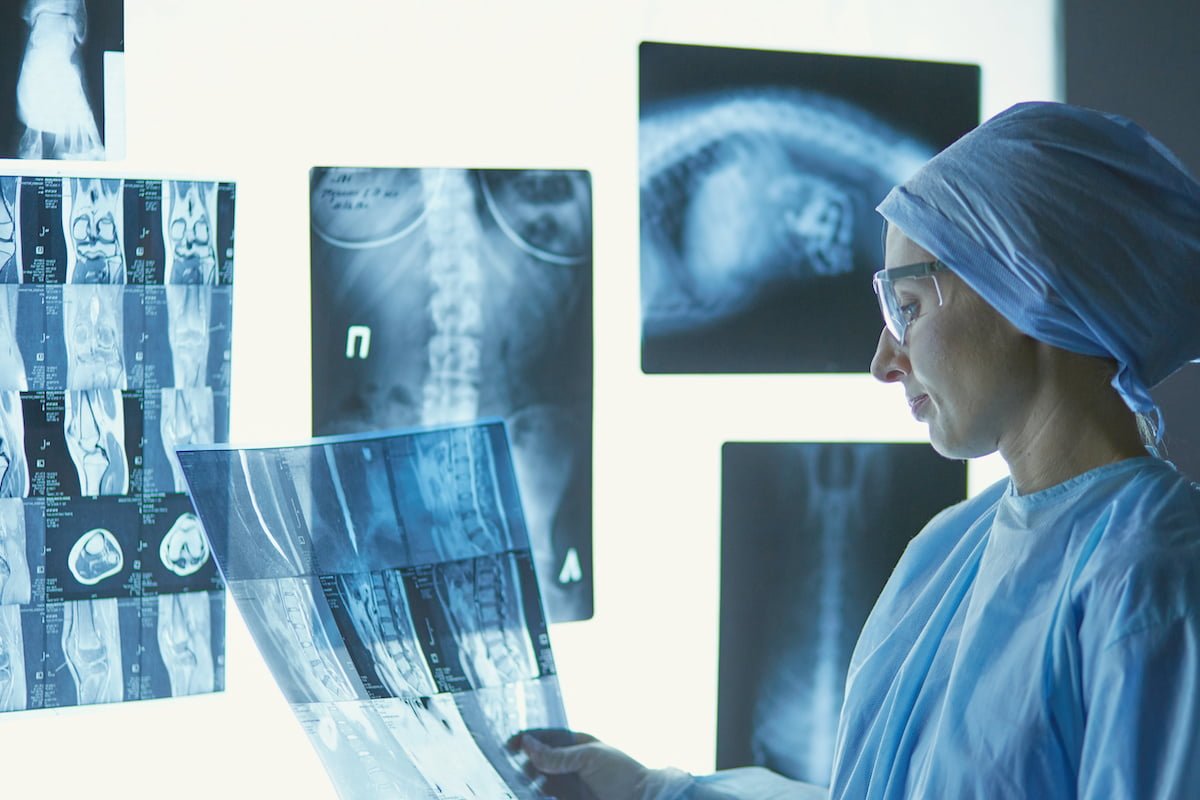
Certified imaging technicians are crucial in ensuring the efficacy and safety of mobile digital X-ray systems. These professionals undergo rigorous training to operate imaging equipment proficiently and maintain high standards of patient care.
In my experience, the expertise of certified imaging technicians can substantially influence the quality of the imaging results and patient experience.
Responsibilities of Imaging Technicians
- Operating mobile X-ray equipment with precision
- Ensuring patient safety during the imaging process
- Maintaining equipment to prevent malfunctions or errors
- Collaborating with healthcare teams to interpret images and plan care
These technicians not only handle the technical aspects of imaging but also provide reassurance and support to patients during potentially stressful procedures.
Advantages of Comfort-Focused Imaging in Hospice Care
Comfort-focused imaging is a philosophy that prioritizes the patient's physical and emotional comfort during diagnostic procedures. In hospice care, where patients may be facing end-of-life situations, this approach is especially significant.
Mobile digital X-ray technology aligns perfectly with this philosophy by enabling imaging services to be brought directly to the patient, thus minimizing discomfort and stress.
Benefits of Comfort-Focused Imaging
- Minimized need for painful or uncomfortable patient repositioning
- Reduced anxiety by performing procedures in familiar surroundings
- Faster diagnosis and treatment initiation
- Enhanced patient dignity by respecting their physical and emotional needs
The integration of comfort-focused strategies has markedly improved the hospice care experience, demonstrating how technology and compassion can work hand in hand.
The Importance of On-Site X-ray Scanning
On-site X-ray scanning, where imaging services are performed within the premises of a facility like a hospice, offers distinct advantages. By eliminating the need for external visits to imaging centers, on-site scanning ensures that high-quality diagnostic tools are immediately available when needed.
This capability is critical in hospice care, where patient condition can change rapidly, and timely information is crucial for making informed care decisions.
Key Advantages of On-Site Scanning
- Immediate access to diagnostic tools
- Reduced transportation costs and logistical complications
- Better coordination among healthcare providers
- Quick turnaround of imaging results
On-site X-ray scanning exemplifies how logistical efficiencies can enhance care quality and patient experiences in hospice settings.
The integration of mobile digital X-ray technologies in hospice care not only improves operational efficiency but profoundly enhances patient comfort and dignity. How has mobile digital X-ray technology impacted your healthcare practice or experiences?Frequently Asked Questions
Browse answers to common questions about our services.